


Silicone printing ink and Digital printing ink are widely used in the textile industry, they operate differently and offer distinct advantages. Screen printing remains the preferred choice for large-volume production and specialty effects, while digital printing continues to gain popularity for short runs and highly detailed designs.
In this guide, YRsilicone explains the key differences between screen printing ink and digital printing ink, helping you make informed decisions for your next apparel printing project.
What Is Screen Printing Ink?
Screen printing ink is a specialized ink designed for traditional screen printing processes. During production, ink is pushed through a mesh screen onto fabric using a squeegee. Each color typically requires its own screen, allowing precise ink placement and excellent color consistency.
How Screen Printing Ink Works
The process follows several key steps:
1, Artwork separation by color
2, Screen preparation
3, Ink application through mesh screens
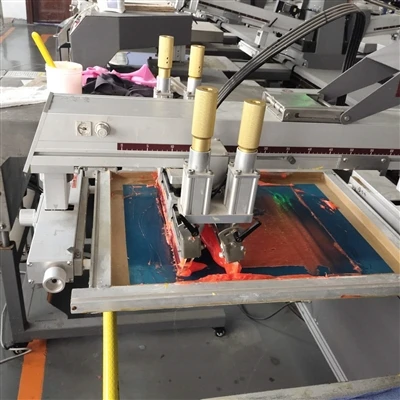
4, Heat curing for permanent adhesion
This method has been used in the garment industry for decades because of its reliability and scalability.
Common Types of Screen Printing Ink
Several types of screen printing inks are commonly used in apparel manufacturing.
Silicone Ink
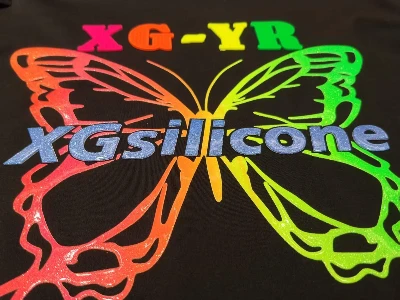
● Silicone ink has become one of the fastest-growing options for premium apparel decoration.
● Key benefits include:
● Excellent elasticity
● Superior wash durability
● Soft hand feel
● Strong adhesion on stretch fabrics
● PVC-free formulation
Silicone ink is especially popular in sportswear, outdoor apparel, athleisure garments, and premium fashion collections
Water-Based Ink
Water-based ink creates a softer print feel and is often preferred by eco-conscious brands.
Puff Ink
Puff ink expands during curing to create a raised three-dimensional effect that is highly popular in streetwear.

High-Density Ink
High-density inks create sharp, elevated graphics and premium branding elements.
Advantages of Screen Printing Ink
Screen printing continues to dominate large-volume garment production because it offers:
≮ Outstanding durability
≮ Excellent color saturation
≮ Specialty print effects
≮ Lower cost at scale
≮ Consistent quality across large orders
What Is Digital Printing Ink?
Digital printing ink is formulated for direct textile printing technologies such as DTG (Direct-to-Garment), DTF (Direct-to-Film), and industrial digital textile printing systems.
How Digital Printing Ink Works
The workflow is relatively simple:
► Upload digital artwork
► Prepare garment or transfer film
► Print using an inkjet system
► Cure using heat fixation
The absence of screen setup makes digital printing attractive for short production runs and custom orders.
Types of Digital Printing Ink
Pigment Ink
Widely used in DTG printing because it can print directly onto cotton fabrics.
Reactive Ink
Commonly used for high-end textile printing applications where vibrant colors and fabric penetration are required.
Sublimation Ink
Used mainly on polyester fabrics for sportswear and promotional products.
DTF Ink
Designed for Direct-to-Film printing, allowing transfers onto multiple fabric types.
Advantages of Digital Printing Ink
Digital printing offers several advantages:
◇ No screen setup
◇ Fast sample development
◇ Unlimited color capability
◇ Ideal for personalized products
◇ Reduced inventory requirements
For brands operating on-demand business models, digital printing can significantly reduce production risks.
Screen Printing Ink vs Digital Printing Ink: Side-by-Side Comparison
The best way to understand the differences is through direct comparison.
Comparison Table
| Feature | Screen Printing Ink | Digital Printing Ink |
|---|---|---|
| Printing Method | Mesh screen application | Inkjet technology |
| Setup Cost | Higher | Lower |
| Production Speed | Faster for large runs | Faster for short runs |
| Color Vibrancy | Excellent | Good |
| Durability | Excellent | Moderate to good |
| Specialty Effects | Extensive | Limited |
| Fabric Compatibility | Very broad | Depends on printer |
| Unit Cost (Large Orders) | Lower | Higher |
| Customization | Moderate | Excellent |
The choice between screen printing ink vs digital printing ink largely depends on production volume, design complexity, and desired print effects.
Conclusion
When comparing screen printing ink vs digital printing ink, there is no universal winner.
Digital printing offers flexibility, customization, and high-resolution detail. Screen printing delivers unmatched durability, vibrant colors, specialty effects, and lower costs for large-volume production.
For apparel brands focused on premium quality, sportswear performance, and scalable manufacturing, silicone-based screen printing remains one of the most reliable solutions available today.
At YRsilicone, we help global brands and manufacturers achieve outstanding print performance through advanced silicone screen printing technologies tailored to modern apparel production.


