What Is Silicone Ink and How Is It Used in Printing?
Silicone ink has become one of the most innovative materials in modern textile printing, especially within sportswear, high-performance garments, and premium fashion applications. Its unique physical properties-such as elasticity, durability, and resistance to extreme conditions-make it an increasingly preferred choice over traditional plastisol and water-based inks. For manufacturers, designers, and beginners entering the printing industry, understanding what silicone ink is and how it is used can open the door to higher-quality production and more specialized printing effects.
What Is Silicone Ink?
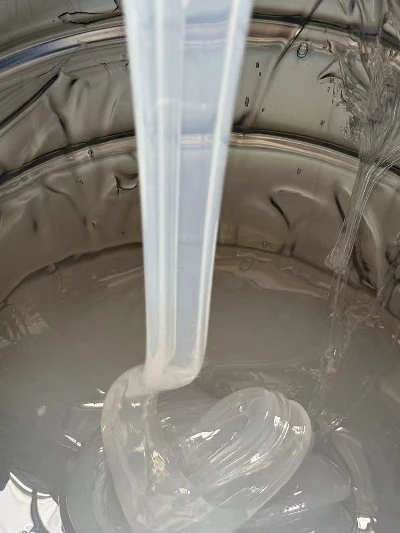
Silicone ink is a specialized printing material formulated from silicone polymers. These polymers undergo a chemical curing (crosslinking) reaction when mixed with a catalyst, transforming the ink into a flexible, rubber-like layer that bonds strongly to the fabric surface. Unlike plastisol inks that rely on PVC resins, silicone inks are inherently non-toxic, environmentally friendly, and compliant with strict global standards such as OEKO-TEX and REACH.
One of the most defining characteristics of silicone ink is its exceptional elasticity. It can stretch and recover repeatedly without cracking, making it ideal for fabrics that experience tension or frequent movement. This is why silicone ink is frequently chosen for leggings, swimwear, cycling garments, and performance apparel. Its temperature stability also means it can withstand heat, UV exposure, and chemical washing better than many conventional ink systems.
Why Silicone Ink Is Gaining Popularity
The benefits of silicone ink make it stand out in the world of textile printing:
1. Superior Stretch & Softness
Silicone ink flexes naturally with fabric fibers, offering a soft, smooth feel that enhances comfort and garment quality.
2. Excellent Wash Fastness
Heat-cured silicone has strong resistance to washing, abrasion, and sweat, maintaining print integrity even after dozens of cycles.
3. Vibrant, Opaque Colors
Because silicone sits on top of the fabric instead of penetrating it, colors appear brighter and more solid-especially important for dark or textured garments.
4. Eco-Friendly Formulation
Free from phthalates, PVC, formaldehyde, and heavy metals, silicone ink aligns with modern sustainability demands.
5. Versatile for Special Effects
It is widely used for high-density, 3D, glossy, matte, anti-slip, and puff effects. This versatility makes silicone ink a favorite among fashion brands seeking premium finishes.
How Silicone Ink Is Used in Printing
Silicone ink is primarily used in two printing methods: direct screen printing and heat-transfer printing.
1. Direct Silicone Screen Printing
This method involves applying silicone ink directly onto the garment using a screen mesh. The typical process includes:
Printing a silicone underbase for adhesion
Flash-drying between layers
Applying the color or topcoat
Curing the final print at 110–150°C
This technique produces durable, soft-touch prints suitable for performance wear and branding logos.
2. Silicone Heat-Transfer Printing
In this method, silicone ink is printed onto a release film, cured, and then transferred onto fabric via a heat press.
Benefits include:
Cleaner details and sharper lines
Faster production for large orders
Compatibility with elastic or sensitive fabrics
Strong bonding when using the correct adhesive layer
Heat-transfer silicone is popular for neck labels, logos, badges, and intricate graphics.
Conclusion
Silicone ink has revolutionized textile printing by combining durability, flexibility, and eco-friendly performance in one advanced material. Whether used in direct printing or heat-transfer applications, it delivers professional results that meet the demands of modern fashion and sportswear. With its growing adoption worldwide, understanding silicone ink is essential for any beginner or manufacturer seeking to elevate their printing quality and product value.