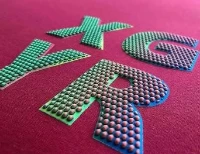
Among these solutions, water-based screen printing ink is becoming one of the most important trends in textile printing. With advantages such as lower environmental impact, soft hand feel, excellent fabric compatibility, and improved printing technology, water-based ink is expected to play a much bigger role in the screen printing market by 2026.
For professional printers, understanding this trend is not only about choosing a new ink type. It is about preparing production systems for future market requirements.
What Is Water-Based Screen Printing Ink?
A Sustainable Alternative for Textile Printing
Water-based screen printing ink is a type of textile printing ink that uses water as the primary carrier instead of solvent-based chemicals.
Unlike some traditional printing inks that rely heavily on plasticizers or solvent systems, water-based formulations are designed to provide a lighter and more environmentally friendly printing solution.
The basic composition usually includes:
● Pigments for color performance
● Water-based resin systems for adhesion
● Functional additives for printing stability
● Other performance-enhancing components
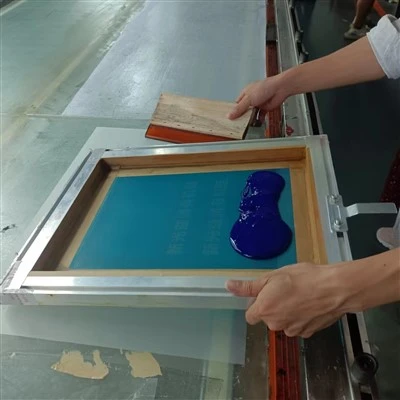
During the printing process, water evaporates through drying and curing, leaving pigments and binders firmly attached to the textile surface.
This technology allows manufacturers to create high-quality prints while maintaining a more natural fabric feeling.
Why Will Water-Based Screen Printing Ink Dominate in 2026?
1. Sustainability Has Become a Global Manufacturing Requirement
One of the biggest reasons behind the growth of water-based printing technology is the increasing demand for sustainable manufacturing.
Many international brands are setting environmental goals, including:
● Reducing chemical emissions
● Improving supply chain sustainability
● Lowering environmental impact
According to the Ellen MacArthur Foundation, the fashion industry is increasingly moving toward circular and sustainable production models, encouraging suppliers to adopt more responsible manufacturing methods.
For textile printing factories, choosing environmentally friendly printing materials is becoming an important factor when working with global customers.
2. Stricter Environmental Regulations Are Changing Ink Selection
Environmental policies are becoming stricter in many major markets, including Europe and North America.
Printing manufacturers exporting garments internationally must pay closer attention to:
● VOC (volatile organic compound) emissions
● Chemical restrictions
● Sustainable production requirements
Compared with solvent-based systems, water-based ink offers advantages because water is used as the main carrier.
This makes it easier for manufacturers to meet the expectations of environmentally conscious brands and buyers.
3. Consumers Demand More Sustainable Clothing
Consumer behavior is changing.
Modern customers are increasingly interested in:
● Eco-friendly materials
● Responsible manufacturing
● Comfortable clothing
● Sustainable brands
For garment companies, printing technology is part of the overall product value.
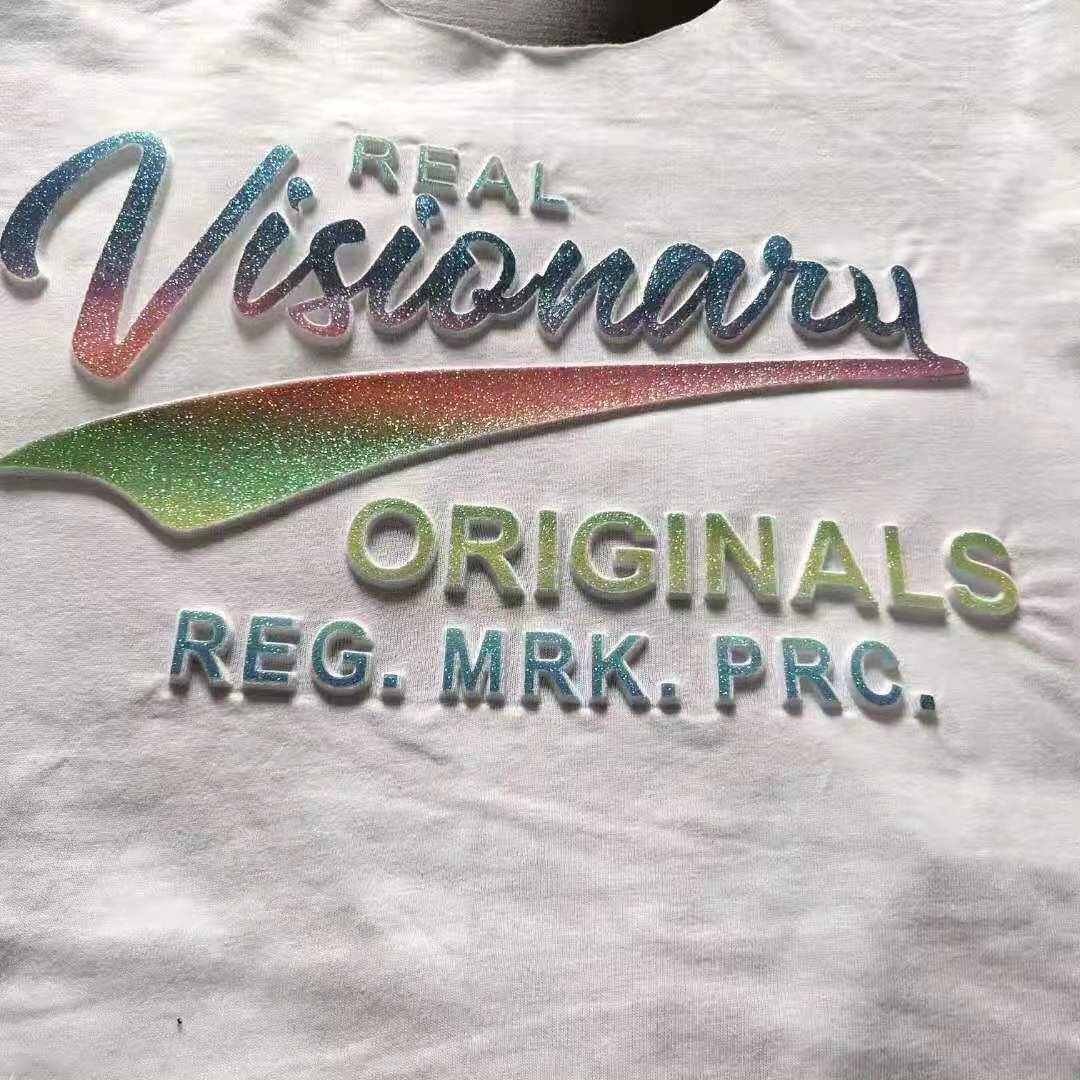
A soft, breathable, environmentally friendly print can improve the consumer experience and support brand positioning.

Water-Based Ink vs Traditional Screen Printing Ink
| Feature | Water-Based Screen Printing Ink | Traditional Ink |
|---|---|---|
| Environmental impact | Lower emissions and solvent usage | Higher chemical dependence |
| Fabric feel | Soft and lightweight | Usually thicker surface |
| Breathability | Better | More limited |
| Sustainability | Strong advantage | Lower sustainability value |
| Fashion applications | Growing rapidly | Traditional market |
The future of textile printing will not only depend on print quality but also on environmental responsibility.
Conclusion: Sustainable Printing Will Shape the Future
The rise of water-based screen printing ink is not only a temporary trend. It reflects a larger movement toward sustainable textile manufacturing.
By 2026, more brands and printing factories are expected to prioritize environmentally responsible solutions due to regulatory changes, consumer demand, and market competition.
For screen printing professionals, investing in sustainable ink technology today can help build stronger competitiveness for the future.