The textile printing industry is undergoing a significant transformation. Sustainability is no longer just a marketing slogan-it has become a key factor in purchasing decisions, supply chain management, and product development. As governments tighten environmental regulations and global brands commit to ambitious sustainability goals, eco-friendly screen printing ink is rapidly moving from a niche option to a mainstream production requirement.
This article explores the latest market data, emerging industry trends, and growing demand for eco-friendly screen printing inks, helping manufacturers make informed decisions for future production.
Global Market Growth Creates New Opportunities
The market for environmentally friendly printing materials continues to expand.
According to Research and Markets, the global eco-friendly inks market was valued at approximately USD 4.39 billion in 2025 and is expected to reach nearly USD 5.99 billion by 2030, growing at a compound annual growth rate (CAGR) of around 6.4%.
Meanwhile, the global textile printing ink market continues to grow steadily, supported by increasing demand for customized apparel, sportswear, and digital textile production.
This growth demonstrates that sustainability and commercial success are becoming closely connected.
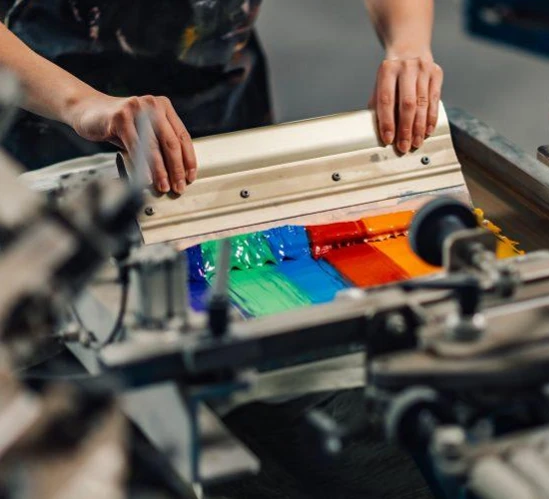

Four Trends Driving Eco-Friendly Screen Printing Ink
1. Water-Based Technologies Continue to Advance
Modern water-based screen printing inks have improved significantly over the past decade.
Today's formulations offer:
Softer hand feel
Lower VOC emissions
Improved wash resistance
Better color performance
Higher production stability
These improvements have made water-based systems suitable for a wider range of textile applications than ever before.

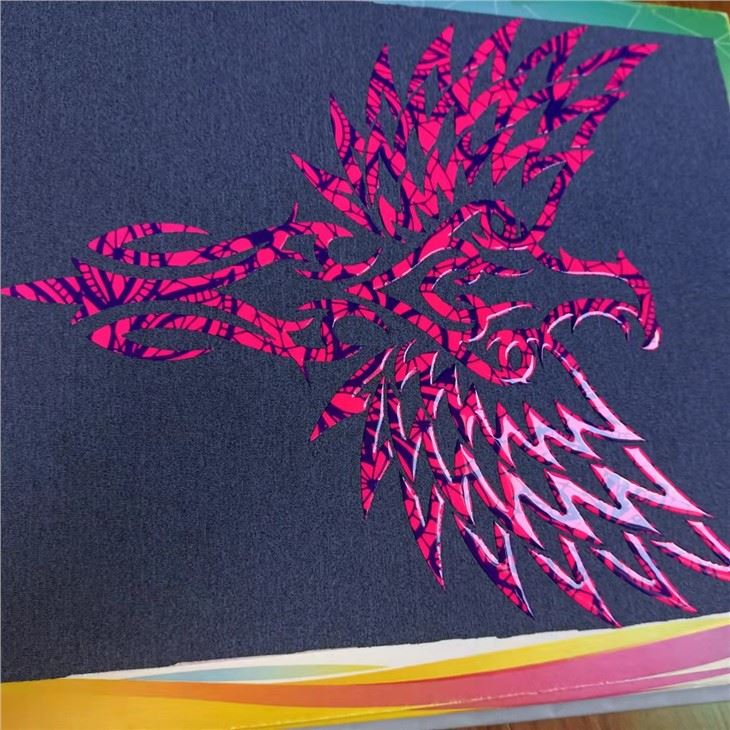
2. PVC-Free and Phthalate-Free Formulations Are Becoming Standard
International apparel brands increasingly specify restricted-substance compliance in supplier requirements.
As a result, demand for PVC-free and phthalate-free screen printing inks continues to rise.
Manufacturers using compliant materials can simplify exports, reduce regulatory risks, and improve customer confidence.
3. Sustainable Fashion Continues to Expand
Sustainability has become one of the strongest growth drivers in the fashion industry.
More brands are introducing collections made with recycled fabrics, organic cotton, and environmentally responsible production methods.
This trend naturally increases demand for printing inks that support sustainable manufacturing goals without compromising product quality.
Industries driving this demand include:
Sportswear
Outdoor apparel
Children's clothing
Fashion brands
Premium lifestyle products
4. Higher Performance with Lower Environmental Impact
One of the biggest changes in recent years is that environmentally friendly no longer means sacrificing performance.
Modern eco-friendly screen printing inks now provide:
Excellent adhesion
Improved flexibility
Better abrasion resistance
Strong wash durability
Bright color reproduction
These performance improvements have encouraged many manufacturers to replace traditional ink systems.
Market Demand Across Different Industries
Demand for eco-friendly screen printing ink is expanding across multiple sectors.
| Industry | Main Demand |
|---|---|
| Apparel Manufacturing | Sustainable garment production |
| Sportswear | High-performance printing with environmental compliance |
| Promotional Products | Corporate sustainability initiatives |
| Fashion Brands | Premium printing quality with eco-friendly materials |
| Industrial Textiles | Functional printing with regulatory compliance |
Among these sectors, apparel manufacturing remains the largest consumer of environmentally friendly printing materials.
Conclusion
The market for eco-friendly screen printing ink continues to grow as environmental regulations, consumer expectations, and brand sustainability commitments reshape the textile industry.
Manufacturers that invest in sustainable printing technologies today will be better positioned to meet future compliance requirements, strengthen customer relationships, and remain competitive in global markets.
Choosing the right eco-friendly ink is not only an environmental decision-it is also a strategic investment in long-term business success.
References
1. Research and Markets. Eco-Friendly Inks Market Report (2025–2030). https://www.researchandmarkets.com/report/global-eco-friendly-inks-market
2. Research and Markets. Textile Printing Ink Market Report. https://www.researchandmarkets.com/reports/5909778/textile-printing-ink-market-report-trends
3. European Commission. European Green Deal. https://commission.europa.eu/strategy-and-policy/priorities-2019-2024/european-green-deal_en
4. ZDHC Foundation. Roadmap to Zero Programme. https://www.roadmaptozero.com
5. OEKO-TEX®. STANDARD 100 by OEKO-TEX®. https://www.oeko-tex.com