As a supplier of textile pigment ink, I often encounter inquiries about the versatility and application scope of our products. One question that frequently arises is whether textile pigment ink can be used on denim. In this blog post, I'll delve into this topic in detail, exploring the feasibility, advantages, challenges, and best practices of using textile pigment ink on denim.
Advantages of Using Textile Pigment Ink on Denim
1. Color Variety
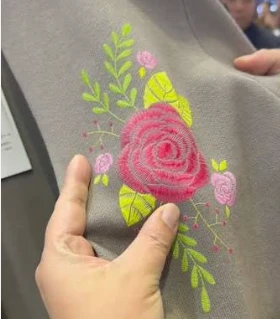
One of the most significant advantages of using textile pigment ink on denim is the wide range of colors available. Unlike traditional denim dyes, which are often limited to shades of blue, pigment inks can produce virtually any color imaginable. This allows for greater creativity in designing denim products, from bold and vibrant prints to subtle and sophisticated patterns.
2. Durability
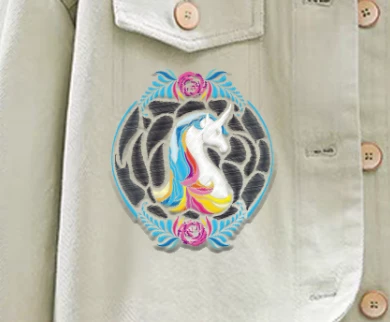
Pigment inks are known for their excellent durability. Once cured, they form a strong bond with the fabric fibers, making them resistant to fading, washing, and abrasion. This is especially important for denim, which is often subjected to frequent washing and wear. With textile pigment ink, the printed designs on denim can maintain their color and quality over time, ensuring long-lasting appeal.
3. Versatility
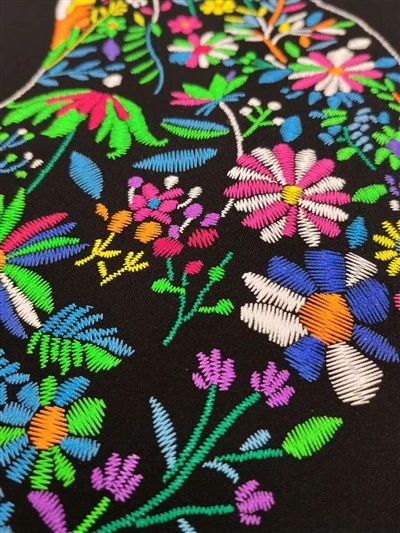
Textile pigment ink can be used with various printing methods, such as screen printing, digital printing, and heat transfer printing. This versatility makes it suitable for different production scales and requirements. Whether you are a small independent designer or a large-scale denim manufacturer, you can find a printing method that works best for you.
Challenges of Using Textile Pigment Ink on Denim
1. Fabric Texture
Denim has a relatively rough and textured surface compared to some other fabrics. This can make it more challenging for the pigment ink to adhere evenly and smoothly. To achieve a high-quality print, it may be necessary to pre-treat the denim or use a special additive in the ink to improve its adhesion and spreadability.
2. Color Fastness to Denim Blue
Since denim is typically dyed blue, the color fastness of the pigment ink on the blue background can be a concern. Some colors may appear different or less vibrant when printed on denim compared to other fabrics. It is important to conduct color testing and adjustment to ensure that the desired color effect is achieved and that the printed design remains consistent over time.
3. Washing and Curing Requirements
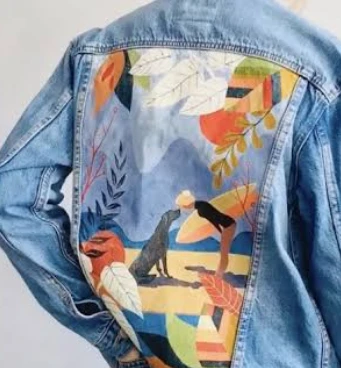
Proper washing and curing are crucial for ensuring the durability of the printed design on denim. The washing process can remove excess ink and improve the softness of the fabric, while curing helps to set the ink and make it more resistant to fading and washing. However, washing and curing denim with printed pigment ink require specific temperature, time, and chemical conditions to avoid damaging the fabric or the print.
Related Products and Processes
In addition to textile pigment ink, there are other related products and processes that can be used in conjunction with denim printing. For example, Puff Ink For Screen Printing can be used to create three-dimensional effects on denim, adding a unique and eye-catching element to the design. The Silicone Screen Printing Process offers excellent durability and flexibility, making it suitable for printing on denim and other fabrics. Serigraphy Screen Printing is a traditional printing method that can produce high-quality, detailed prints on denim. Matte Silicone Ink can be used to create a soft, muted finish on denim, adding a touch of sophistication to the design. And if you are interested in screen printing underwear, Screen Print Underwear provides valuable information and insights.
Conclusion
In conclusion, textile pigment ink can be successfully used on denim, offering a wide range of advantages such as color variety, durability, versatility, and environmental friendliness. However, it also presents some challenges that need to be addressed through proper fabric preparation, ink selection, printing process, curing, and washing and care. By following the best practices outlined in this blog post and utilizing the related products and processes, you can achieve high-quality printed designs on denim that meet the demands of your customers.
If you are interested in purchasing textile pigment ink or learning more about our products and services, please feel free to contact us. We are committed to providing you with the highest quality products and personalized solutions to meet your specific needs.
References
- "Textile Printing: Principles, Processes, and Practice" by R. Muthu
- "Denim: Fashioning an American Icon" by Amy Butler Greenfield