In textile printing, choosing the right printing material is one of the most important factors affecting final product quality. A silicone ink that performs well on one fabric may not achieve the same result on another material.
Different fabrics have different characteristics, including surface structure, elasticity, chemical resistance, and moisture absorption. These differences directly influence adhesion, flexibility, durability, and appearance during the heat transfer process.
Key Factors When Selecting Heat Transfer Silicone Ink
Fabric compatibility is important, but manufacturers should also consider several performance factors.
♦ Adhesion Performance
Adhesion is one of the most critical factors in heat transfer printing.
Poor adhesion may result from:
× Incorrect silicone selection
× Fabric contamination
× Incorrect transfer parameters
× Insufficient curing
A high-quality silicone solution should provide:
√ Strong fabric bonding
√ Good peel resistance
√ Stable performance after washing
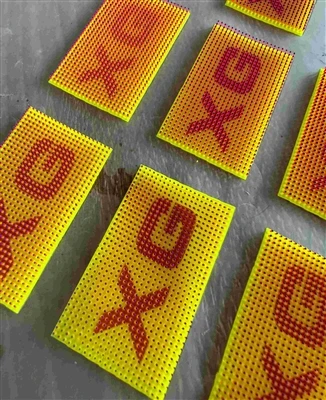

Before full production, manufacturers should always conduct adhesion testing to confirm compatibility.
♦ Flexibility and Stretch Resistance
Modern apparel requires printing materials that can withstand movement.
This is especially important for:
Sportswear
Outdoor clothing
Activewear
A flexible silicone material should maintain:
Surface integrity
Elastic recovery
Comfortable touch
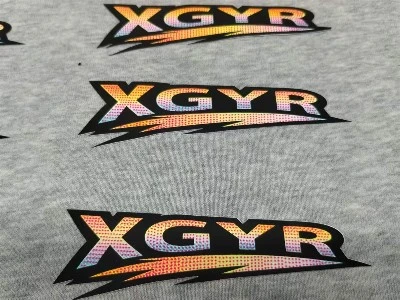
This prevents cracking and improves product lifespan.
♦ Surface Appearance and Design Effects
One major advantage of silicone printing is its premium appearance.
Depending on customer requirements, silicone transfer printing can achieve:
3D raised effects
Matte surfaces
Glossy finishes
Soft-touch textures
These effects help brands create unique products and improve market competitiveness.
♦ Washing and Abrasion Resistance
For commercial garment production, durability is essential.
Professional manufacturers usually evaluate:
Washing resistance
Rubbing resistance
Stretch performance
A reliable silicone ink solution should maintain:
Clear patterns
Strong adhesion
Stable appearance
after repeated use.
Heat Transfer Printing Process with silicone ink
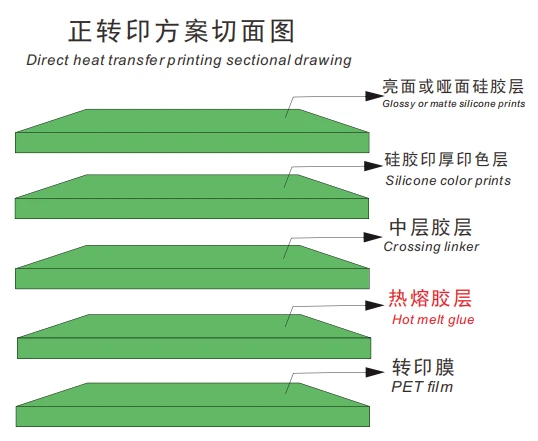
A successful transfer printing process requires careful control from material selection to final application. Heat transfer printing falls into two categories: forward transfer and reverse transfer. Though their operation steps are reversed, their fundamental principles are similar. As illustrated below, forward transfer printing involves four main stages:
Conclusion: Choosing the Right Silicone Ink Improves Heat Transfer Quality
Selecting the right silicone material according to fabric type is essential for achieving high-quality heat transfer printing.
Cotton, polyester, nylon, and stretch fabrics all have different requirements. The correct silicone solution helps manufacturers achieve:
Better adhesion
Improved durability
Premium appearance
Stable production performance
For textile manufacturers and printing companies, working with an experienced silicone supplier can significantly improve product quality and production efficiency.
YRsilicone provides professional silicone solutions for heat transfer printing applications, helping customers create durable and high-performance textile products.