Cotton has been widely used in garment printing for decades because of its comfort, breathability, and excellent printability. These characteristics also make it a suitable material for three-dimensional printing applications. For garment manufacturers, fashion brands, and textile printing factories, selecting the right puff print ink and controlling the printing process are critical factors in achieving a durable and attractive raised effect.
Why Cotton Fabric Is Ideal for Puff Print Ink
Cotton's physical and chemical properties make it uniquely suited for puff screen printing compared to polyester, nylon, and blended synthetic materials. First, cotton provides excellent ink adhesion. Its open, porous fiber structure firmly grips thick plastisol puff ink and water-based puff ink layers, preventing peeling, cracking, or lifting after repeated stretching and washing. This strong mechanical bond ensures the raised print remains durable through long-term garment use.
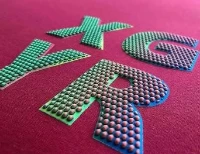
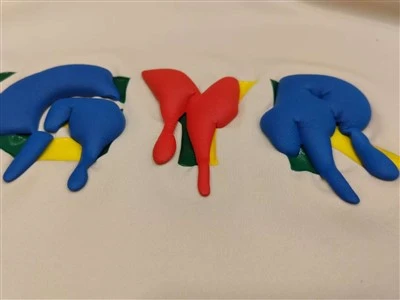
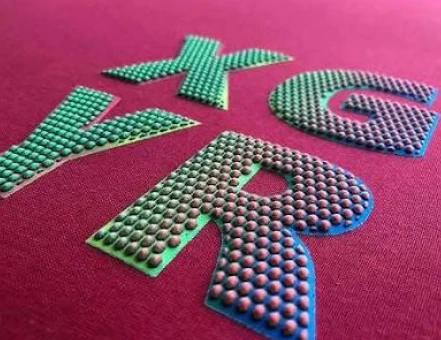
In addition, cotton delivers a clean, sharp 3D puff effect. Stable, non-elastic cotton fabric avoids the texture distortion common on thin stretchy materials. When the puff agent expands during curing, cotton holds the print shape firmly, producing crisp, uniform, and well-defined raised artwork with clean edge definition.
Best Practices for Puff Printing on Cotton Fabric
To achieve professional-grade puff print results on cotton, screen printing technicians should follow standardized production guidelines tailored to cotton substrates. First, prioritize midweight and heavyweight cotton materials. Thin lightweight cotton tees tend to stretch easily and cannot support thick layered puff ink. Insufficient fabric stability often causes deformed prints, hollow puffing, or premature print failure after washing.
Second, use bold, simple graphic designs for puff print applications. Fine lines, micro text, and intricate details smaller than 1mm to 2mm will blur, spread, or merge during the ink expansion process. Chunky shapes, thick borders, and minimalistic artwork consistently produce the most stable and visually appealing 3D puff effects on cotton garments.
Third, strictly control curing temperature and timing. Whether using a heat press or conveyor dryer, precise curing is critical to fully activate the blowing agent inside the puff ink. Proper heat treatment ensures complete ink expansion, maximum texture height, and strong cross-linking for wash fastness. Insufficient heat leads to weak puffing, while overheating causes scorching, fabric yellowing, or ink brittleness.
Professional Technical Resources for Puff Screen Printing
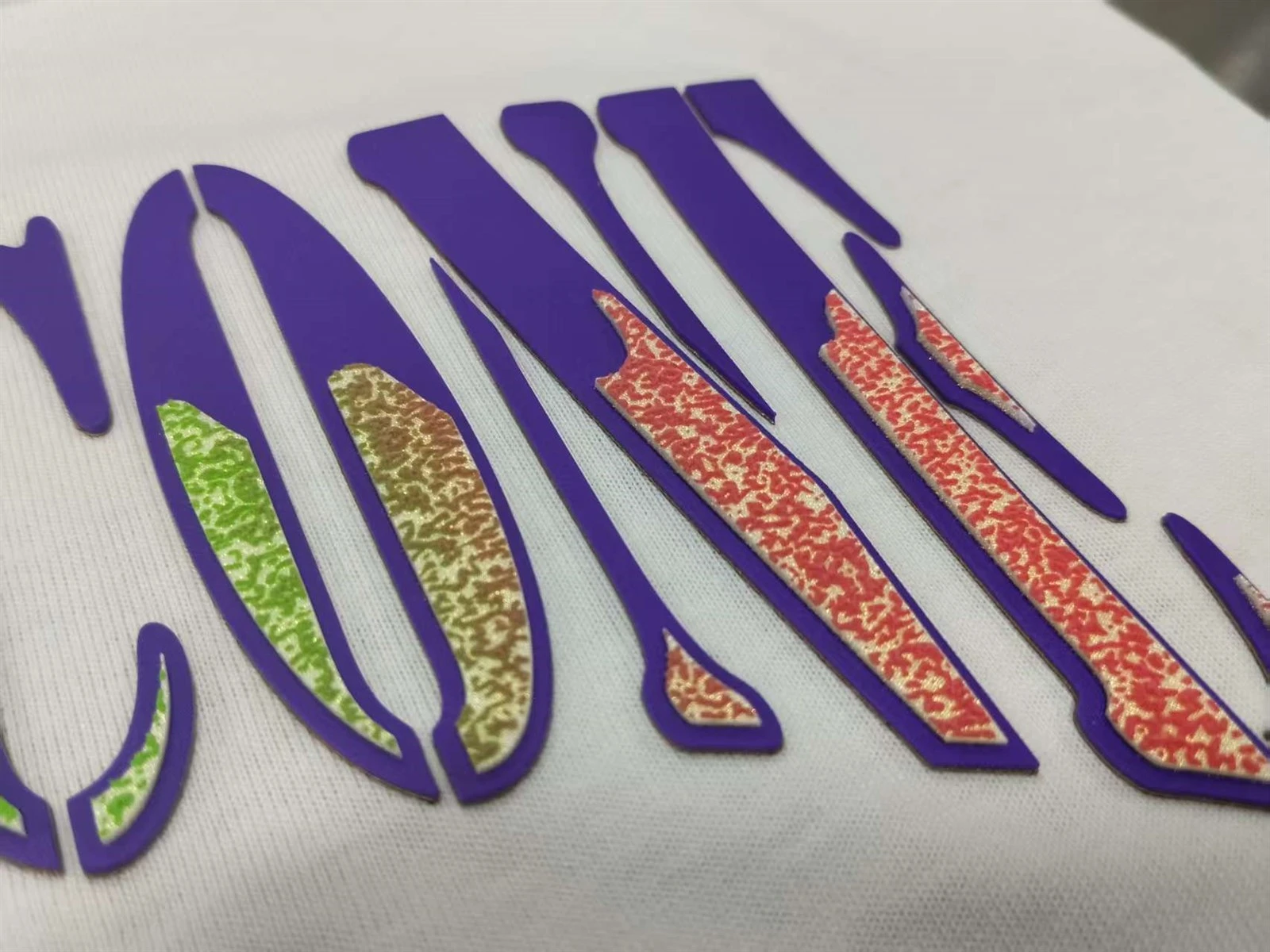
Screen printing factories looking to stabilize their puff print production quality can refer to industry-standard technical guides for accurate parameter settings and material handling. You can explore detailed instructions for mixing and applying INK puff additive for both plastisol and water-based ink systems. Additionally, learning the core mechanics of raised 3D screen printing helps technicians understand puff expansion principles and avoid common printing defects. For fundamental industry knowledge, the official puff screen printing basics guide from ScreenPrinting.com provides standardized processes suitable for mass production.
Conclusion: Puff Print Ink Is an Excellent Choice for Cotton Printing
So, can puff print ink be used for printing on cotton?
The answer is yes. Cotton is one of the best fabric choices for puff printing because of its excellent absorbency and stable structure.
However, achieving a durable and attractive 3D effect requires more than just the ink itself. Successful puff printing depends on:
♦ Selecting suitable puff printing ink
♦ Optimizing printing parameters
♦ Controlling curing conditions
With professional silicone printing technology, YRsilicone helps textile manufacturers create high-quality raised effects for cotton garments, fashion products, and commercial apparel applications.