Main Types of Silicone Printing

High-Density Silicone Printing
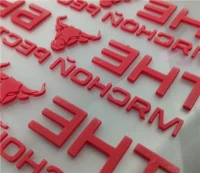
High-density silicone printing creates raised graphics with a defined profile. It is suitable for brand logos, lettering, and dimensional designs on sportswear and fashion garments.

Embossed Silicone Printing
Embossed silicone produces textured patterns that add depth and visual detail to a printed surface. It is useful for decorative designs that require more than a flat finish.
Puff Silicone Printing
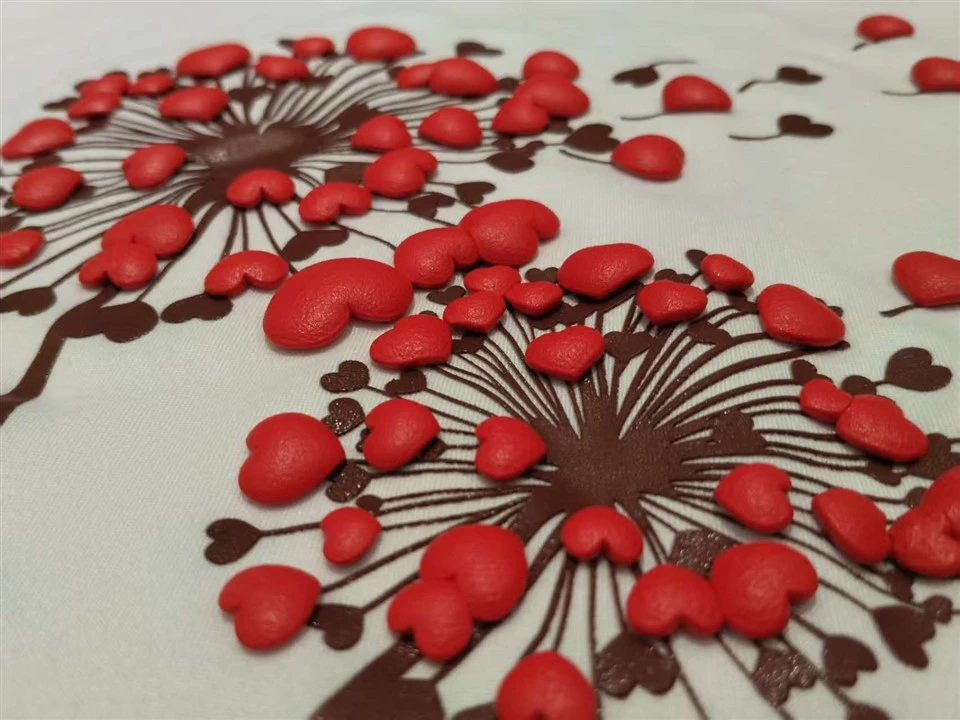
Puff silicone expands under suitable heating conditions to create a raised, three-dimensional effect. It can be used for selected garment graphics, logos, and fashion designs.

Glossy and Matte Silicone Printing
Glossy silicone creates a shiny surface, while matte silicone provides a more understated finish. Both options allow designers to adjust the appearance of logos and textile graphics.

Drawcord Silicone Dipping
Silicone material works great not only for garment screen printing, but also for rope end dipping on apparel accessories. It creates firm, smooth, durable tips for cords, prevents fraying and delivers reliable grip for all kinds of textile ropes.

Functional Silicone Printing
Beyond decoration, silicone printing can serve practical purposes. For example, selected formulations can create anti-slip patterns on socks, gloves, and sportswear. The material should be matched to the required grip and fabric type.
Applications of Silicone Printing
● Apparel and sportswear: Logos, lettering, decorative graphics, and raised designs.
● Footwear: Printed details on suitable shoe uppers and textile components.
● Socks and gloves: Anti-slip patterns for selected applications.
● Elastic fabrics: Flexible graphics for garments that need to stretch during use.
● Fashion accessories: Textured or dimensional details on suitable bags and textile products.
How to Choose the Right Silicone Printing Material
◆ Fabric compatibility: Cotton, polyester, nylon, and blended fabrics may require different adhesion solutions.
◆ Desired appearance: Decide whether the design needs a flat, raised, glossy, matte, or textured finish.
◆ Flexibility: Stretch garments require materials that can accommodate fabric movement.
◆ Printing method: Manual screen printing, automatic screen printing, and transfer production may require different material properties.
◆ Production requirements: Consider curing conditions, print consistency, and the performance expected from the finished product.
Testing the selected material on the actual substrate is recommended before mass production.
Common Factors Affecting Print Quality
Consistent silicone printing requires attention to the entire production process.
▲ Adhesion: Incompatible fabrics or surface treatments may cause peeling.
▲ Print definition: Screen selection, artwork details, and material flow affect the final pattern.
▲ Curing: Follow the product's technical instructions to achieve the required cure.
▲ Stretch and durability: Evaluate the finished print according to its intended use, including relevant washing, abrasion, or stretching tests.
Certifications
To ensure product quality, every item undergoes inspection by a specialized department before being shipped to the customer.
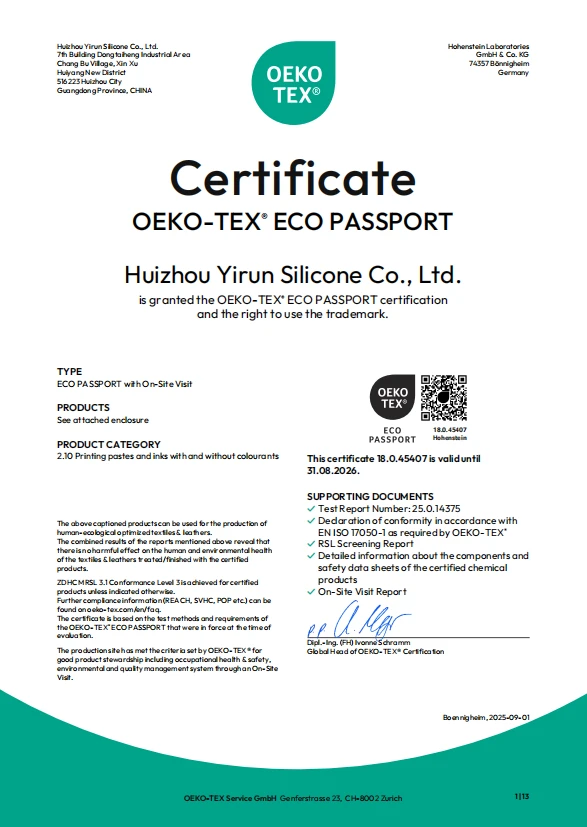
OEKO-TEX
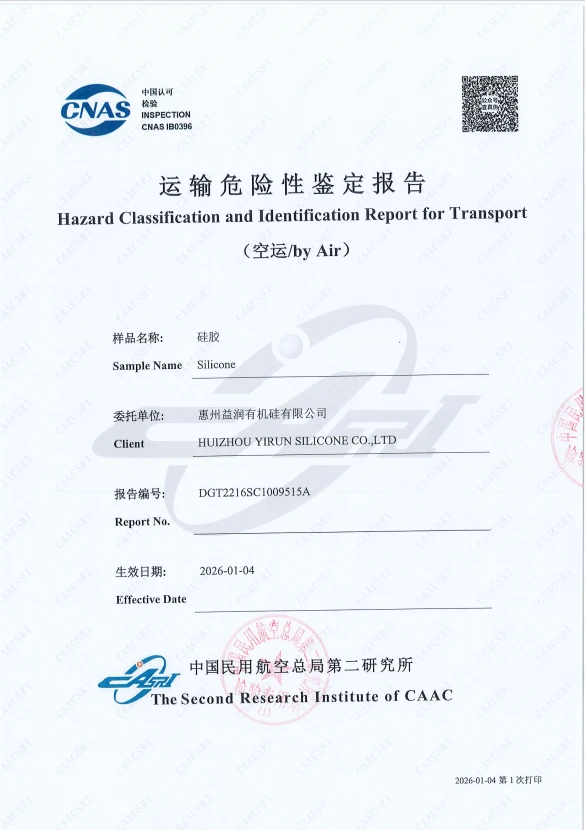
Air Transport
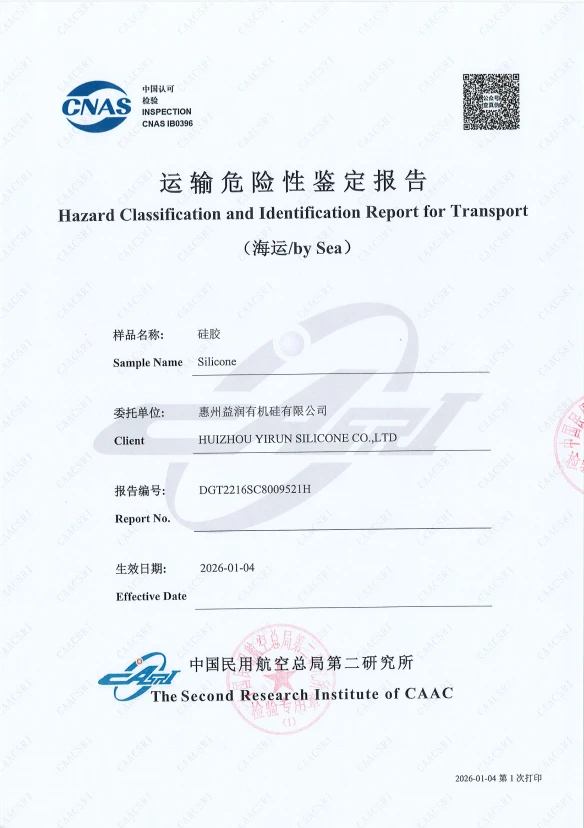
Sea Freight
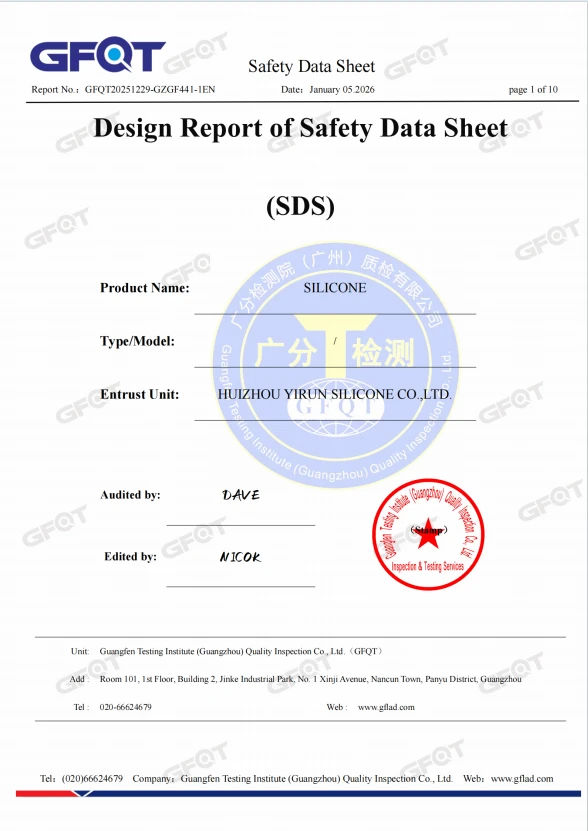
Silicone SDS
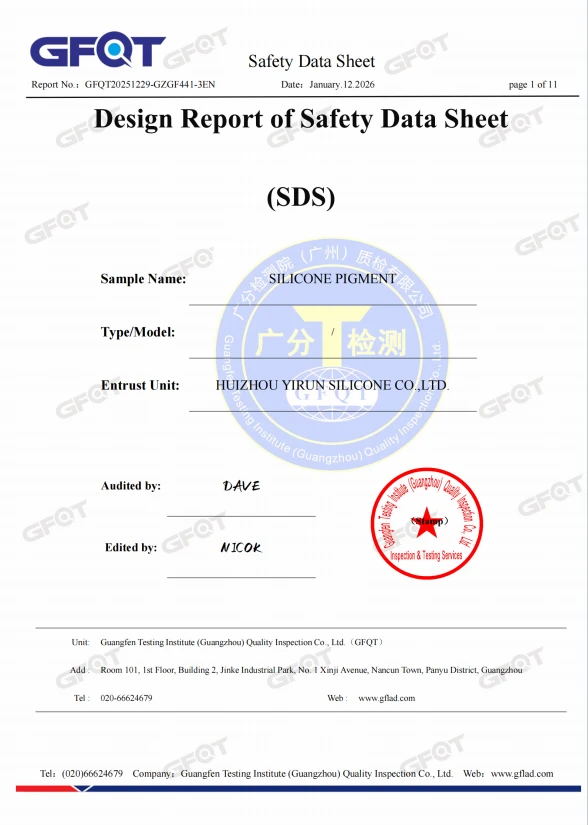
Pigment SDS
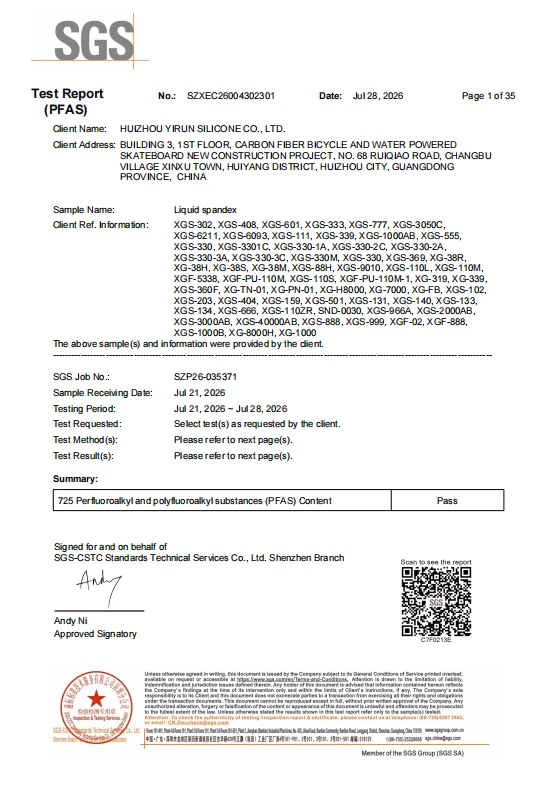
Spandex SGS
Hot Tags: silicone printing, suppliers, factory, custom, wholesale, buy, bulk, low price, in stock, free sample, made in China, Wholesale Silicone Ink, screen printing on plastic bags, fabric transfer printing, Best Screen Printing Ink Made in China, puff additive screen printing, reflective screen printing