For professional screen printing factories, print failure can create significant production losses. A silicone logo that peels after washing or cracks during use can affect brand reputation and increase customer complaints.
Common adhesion-related problems include:
● Silicone ink peeling from fabric surfaces
● Edge lifting around printed patterns
● Cracking after repeated stretching
● Poor washing durability
● Inconsistent print quality between production batches
This is why manufacturers perform adhesion evaluations before approving a silicone ink for large-scale production.
Key Factors That Affect Silicone Ink Adhesion Performance
Fabric Surface and Material Compatibility
One of the most important factors affecting silicone printing adhesion is fabric composition.
Different textiles have different surface characteristics, which influence how well silicone ink bonds with the material.
♦ Cotton Fabrics
Cotton is commonly used in garment printing because of its comfortable feel. However, cotton fibers can absorb materials differently due to their natural surface structure.
Important considerations include:
Fabric treatment
Surface cleanliness
Printing penetration
♦ Polyester Fabrics
Polyester is popular in sportswear and performance clothing.
However, its smooth surface and low moisture absorption can create challenges for bonding.
A suitable silicone ink formulation is required to achieve:
Strong adhesion
Stable print quality
Good washing resistance
♦ Nylon and Technical Fabrics
Nylon and coated fabrics often require special attention because they may have lower surface energy.
Without proper ink selection, manufacturers may experience:
Weak bonding
Peeling issues
Reduced durability

♦ Stretch Fabrics
Elastic materials require silicone ink with good flexibility.
The printed layer must move with the fabric without cracking or losing adhesion.
For this reason, fabric compatibility testing is an important step before production.
Printing Process Parameters That Influence Adhesion
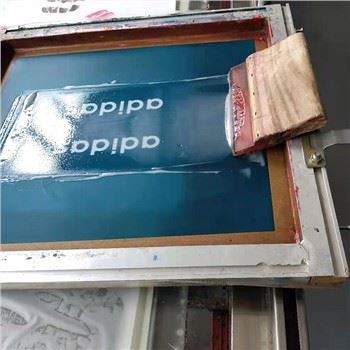
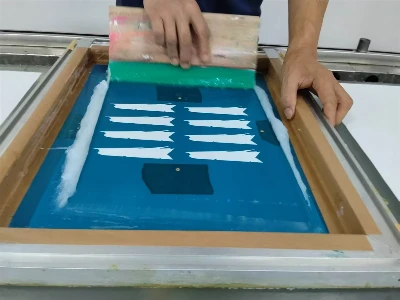
Silicone ink adhesion is not determined only by the ink itself. Printing conditions also play an important role.
Important production factors include:
Screen mesh selection
Printing thickness
Ink mixing process
Printing pressure
Flash curing conditions
Incorrect printing settings may cause:
Uneven ink layers
Poor bonding
Surface defects
Inconsistent results
Professional manufacturers usually adjust printing parameters based on:
Fabric type
Design requirements
Production volume
Working with an experienced silicone ink supplier can help optimize these factors.
Different Adhesion Results Between Fabrics
A common challenge for printing factories is achieving consistent results across different materials.
For example:
Cotton may require different adjustments compared with polyester
Nylon may require stronger bonding solutions
Stretch fabrics need flexible formulations
YRsilicone provides technical recommendations to help customers select suitable materials for different applications.
Hot Tags: silicone ink- adhesion testing, suppliers, factory, custom, wholesale, buy, bulk, low price, in stock, free sample, made in China, heat transfer print machine, materials for silk screen printing, plastisol transfer printer, Printed Silicone Ink Made in China, sassy screen prints, silk screen t shirt