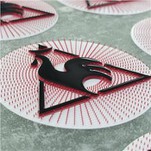
Screen printing is an excellent way to transfer designs onto various materials, including fabrics such as t-shirts, socks, and gloves. It's no wonder that many apparel manufacturers use this printing technique to create high-quality apparel with unique designs. However, not all printing inks are created equal. Some inks don't adhere well to the fabric and may fade or crack after just a few washes. That's where silicone ink comes in. In this article, we'll explain why the screen printing factory uses silicone ink for their fabric, t-shirt, socks, and gloves and how to build a workshop for silicone ink printing.
Why Silicone Ink is the Best Choice for Screen Printing
Silicone ink is a popular choice for screen printing on fabrics and textiles because it has several unique properties. Here are some of the main advantages of using silicone ink for screen printing:
1. Soft and Stretchy
Silicone ink remains flexible and soft even after multiple washes and wears. This property is important for fabrics like t-shirts and socks that require a soft hand feel.YR silicone has the silicone ink XG-8660 with superb soft hand feel.It's ideal for you to print the silicone product on elastic fabric,fiber because it's no shrinkage after cured.Hence,your print is very flat.
2. Durable
Silicone ink is highly durable and resistant to fading or cracking. This property ensures that the design will remain intact on the fabric, even after multiple washes and wears.All silicone products from YR silicone and XG silicone are made of 100% silicone polymer.They are eco-friendly.You can print the silicone from YR on gloves,socks,t shirts.For different screen printing design,YR silicone can supply you the silicone ink for embossing,glossy,matte and high density screen printing or heat transfers.
3. Excellent Adhesion
Silicone ink adheres well to various types of fabrics, including cotton, polyester, and blends. This property ensures that the ink won't peel or crack, ensuring the longevity of the design.YR silicone develops the silicone adhesive XG-360Z-3,XG-180AB-1 for undercoating to improve the adhesion force on water-proof fabric.They are simple mixture ratio,adding 100g silicone ink base with 10g catalyst.
4. Vibrant Colors
Silicone ink produces vibrant and bright colors that stand out on the fabric, making the design more visible and attractive.YR silicone can produce base color and fluorescent color,reflective color,etc.
5. Eco-Friendly
Silicone ink is an environmentally friendly ink choice because it's free from harmful chemicals such as phthalates and PVC. It's also biodegradable and easy to recycle.They pass PAHS,VOC LIMITS FROM OEKO TEX.
Building a Screen Printing Workshop for Silicone Ink Printing
Now that we know the advantages of using silicone ink for screen printing on fabrics, let's look at how to build a workshop for silicone ink printing. Here are the steps involved in creating a screen printing workshop for silicone ink printing:
1. Choose the Right Equipment
To print using silicone ink, you need screen printing equipment. Some of the essential tools you will need include a screen printing press, screen printing mesh, squeegee, exposure unit, and curing oven. Choose high-quality and durable equipment that meets your production needs.YR silicone recommends you use the glass print table.You can fix one automatic table print machine on table.

Please check the video for reference here
https://youtube.com/shorts/zjCfjr0IlC4
2. Select Quality Silicone Ink
Choose high-quality silicone ink that will adhere well to the fabric and produce vibrant colors. It's essential to choose ink that's compatible with the equipment you're using. Some of the popular silicone ink brands in the market include Nazdar, Rutland, Union Ink, and Matsui.
3. Prepare the Fabric
The fabric you will print on needs to be prepared to ensure that the ink adheres well. You can pre-treat the fabric with a bonding agent or print adhesive to help the ink adhere better.
4. Prepare the Artwork
Prepare the artwork and ensure that it's compatible with the screen printing process. This involves creating a design that has a clear and concise outline and selecting the colors to use.
5. Print the Design
After preparing the equipment, ink, and fabric, it's time to print the designs. Apply the ink onto the screen, use the squeegee to transfer the ink to the fabric, and continue until the design is fully printed.
6. Cure the Ink
After printing the design, the silicone ink needs to cure to become permanent. You can cure the ink using a curing oven that heats the ink at a specific temperature and time.


Conclusion
Silicone ink is a superior ink choice for screen printing on fabric because of its unique properties. It's soft, durable, has excellent adhesion, produces vibrant colors, and is eco-friendly. When building a screen printing workshop for silicone ink printing, choose the right equipment, quality ink, prepare the fabric, artwork, and cure the ink adequately. With these steps, you can create high-quality and durable prints that will last.