



Improper selection of printing materials often leads to defective products such as cracked patterns, poor adhesion, insufficient elasticity, fading after washing and rough hand feel, which seriously affects product quality and production efficiency.
Core Essential Differences
Main component is acrylic or water‑borne PU emulsion with water as carrier. Film forms through water evaporation as a physical process. No molecular cross‑linking chemical reaction occurs, heating only speeds up water evaporation.
★ Screen‑printing silicone ink
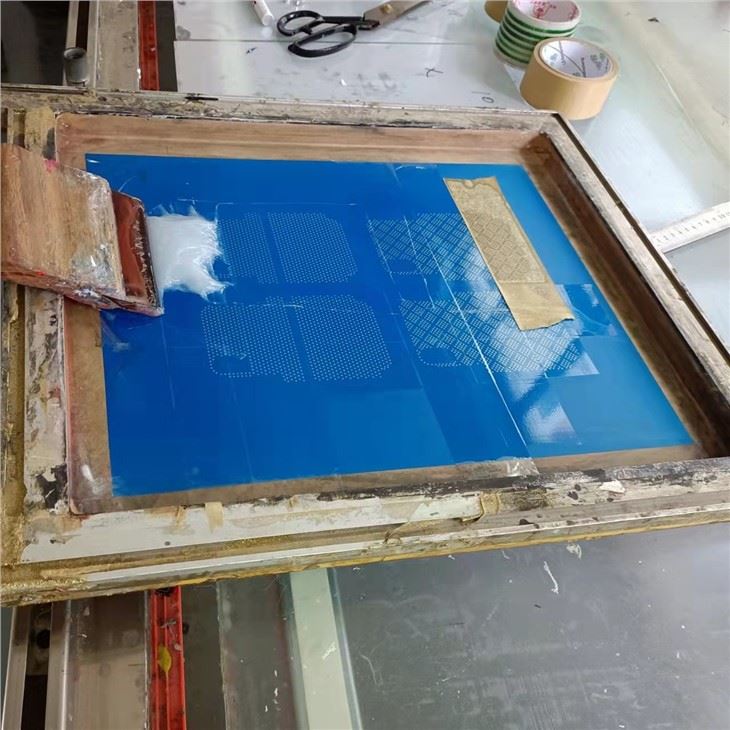
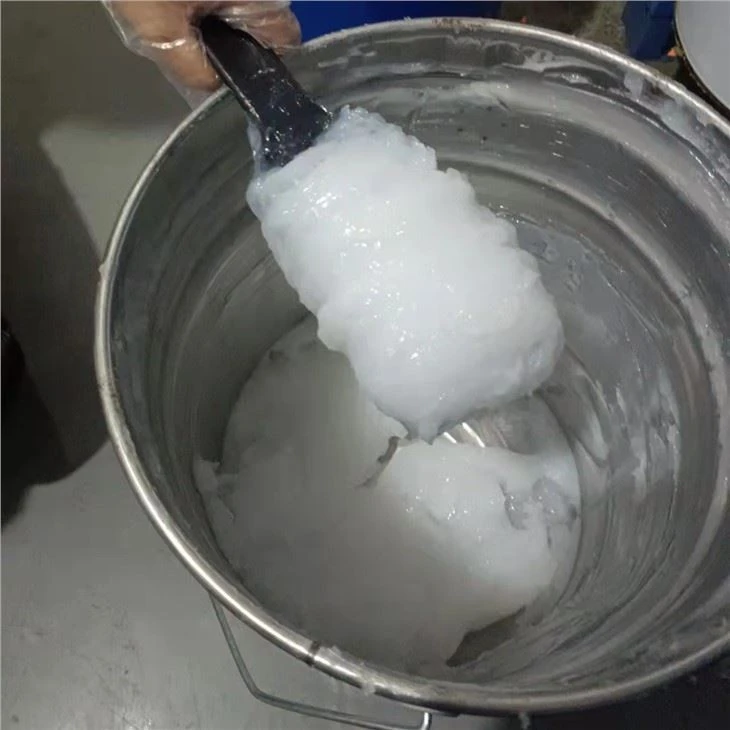
A two‑part silicone system (A component + platinum curing agent). A high‑temperature‑triggered platinum cross‑linking chemical reaction builds a 3‑dimensional elastic silicone film. Full curing cannot be achieved without proper heating.
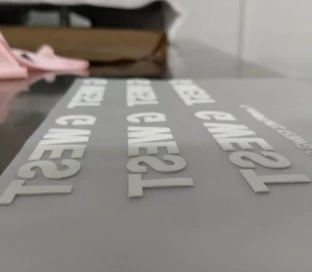
★ Performance differences derived from molecular structure
Water‑based paste features limited hydrolysis resistance and stretch recovery. It tends to crack under heavy stretching, or chalk and peel after repeated washing. It is mainly suitable for conventional cotton garments.
Silicone ink owns Si‑O‑Si backbone, delivering supreme elongation, washing resistance, abrasion resistance, sweat resistance and anti‑aging performance. It shows prominent advantages on elastic fabrics, spandex, leather, polyester and functional sport textiles.

Comparison Table
| Comparison Item | Water‑based Printing Paste | Screen‑Printing Silicone Ink |
|---|---|---|
| Main Ingredients | Acrylic / water‑borne PU emulsion + water + colorant | Silicone polymer + platinum curing agent + silicone pigment paste |
| Curing Mechanism | Physical film‑formation via water evaporation; heating only accelerates evaporation | High‑temperature chemical cross‑linking; curing agent & controlled baking are required |
| Stretch & Recovery | Average; easy to crack on highly elastic substrates | Ultra‑high elongation; no cracking under repeated stretching |
| Washing & Sweat Resistance | Fair; prone to peeling or whitening after multiple washes | Excellent; resistant to repeated laundering and sweat erosion |
| Suitable Substrates | Mainly cotton; poor adhesion on elastic fabric and leather | Spandex, polyester, elastic fabric, leather, ribbons, cords, sport‑grade textiles |
| Hand Feel | Breathable for thin prints; rigid for heavy deposits | Adjustable for thin or thick layers; available for thick‑build, glossy, matte and anti‑slip effects |
| Screen Cleaning | Clean with water | Requires dedicated silicone thinner / cleaner; water cleaning is invalid |
| Limitations | Cracks on high‑elastic substrates; weak adhesion on leather; average weather resistance | Needs curing agent mixing & precise baking; higher material cost |
Selection Guide for Manufacturers
✅ Choose water‑based printing paste: Ordinary cotton T‑shirts, large‑batch orders, cost‑oriented demand, breathable hand feel, no heavy stretching required.
✅ Choose screen‑printing silicone ink: Sportswear, compression garments, ribbons, cords, leather and high‑stretch spandex textiles; requirements for superior washing resistance, scratch resistance and anti‑cracking under cyclic stretching.
FAQ:
Q1: Can water‑based paste replace silicone ink for printing on spandex fabric?
A: Not recommended. Water‑based paste lacks sufficient elasticity. It will crack and peel when spandex fabric is stretched repeatedly. Silicone ink is the preferred solution for elastic substrates.
Q2: Can silicone ink cure at room temperature without baking?
A: No. Platinum‑catalyzed silicone ink needs proper heating to complete cross‑linking. Room‑temperature placement cannot achieve full curing and stable performance.
Q3: Which one offers better sweat resistance for sportswear printing?
A: Screen‑printing silicone ink. Its stable Si‑O‑Si molecular structure stands against sweat corrosion, avoiding blistering and peeling during long‑term wear.