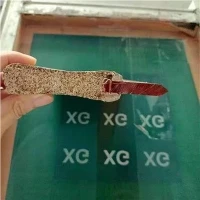
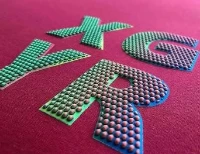
A flocked silicone print may look perfect during initial production, but after rubbing, washing, stretching, or long-term use, loose fibers may fall off. This not only affects the appearance of the product but can also lead to customer complaints, production waste, and quality problems. In this guide, we will explain why flock fibers shed and how manufacturers can improve flock printing durability.
Why Electrostatic Flocking Is Becoming More Popular in Textile Printing
The Growing Demand for Soft Texture and Premium Surface Effects
In today's competitive textile market, brands are looking for more than simple logos or flat printed graphics. Consumers increasingly value products with:
● Unique textures
● Premium appearance
● Comfortable touch
● Differentiated design elements
Electrostatic flocking creates a raised fiber surface that provides a suede-like or velvet-like feeling. Compared with traditional printing methods, flock printing adds both visual depth and tactile experience.

What Causes Flock Fiber Shedding on Silicone Prints?
1. Insufficient Adhesion Between Silicone Layer and Flock Fibers
The most common reason for flock fiber shedding is weak bonding between the silicone printing layer and the flock fibers.
A successful flocking system requires strong interaction between:
√ Silicone adhesive layer
√ Flock fibers
√ Fabric surface
√ Curing process
If the bonding strength is insufficient, fibers may:
× Fall off during handling
× Shed after washing
× Lose density after repeated use
For professional textile production, the silicone layer must provide enough adhesive strength while maintaining flexibility. Simply increasing the amount of flock fibers cannot solve adhesion problems. The foundation is selecting a silicone material that matches the flocking application.
2. Poor Compatibility Between Silicone Ink and Fabric Substrate
Fabric compatibility is another important factor affecting flock durability. Different textile materials have different surface characteristics.
Poor compatibility can cause:
× Silicone layer separation
× Reduced bonding strength
× Fiber shedding after stretching or washing
Professional testing helps prevent production failures before large orders begin.

How to Prevent Flock Fiber Shedding on Silicone Prints
♦ Solution 1: Choose Silicone Ink Specifically Designed for Flock Applications
The first step is selecting the correct silicone material.
For durable flock printing, manufacturers should look for silicone ink with:
Strong adhesion
Good flexibility
Stable tack performance
Reliable curing characteristics
A suitable silicone ink manufacturer should understand the relationship between:
Silicone chemistry
Fiber type
Fabric structure
Production requirements
Customized silicone solutions are often more effective than using standard materials for every application.
♦ Solution 2: Perform Reliability Testing Before Mass Production
Before large orders, professional manufacturers should evaluate:
Wash Resistance Test
Checks whether fibers remain attached after laundering.
Rub Resistance Test
Measures surface durability during daily use.
Stretch Test
Important for elastic fabrics and sportswear.
Adhesion Test
Evaluates silicone and fabric bonding.
Testing helps reduce:
Material waste
Production delays
Customer complaints
Conclusion
Electrostatic flocking creates unique opportunities for textile manufacturers by adding soft texture, premium appearance, and greater design value. However, achieving durable electrostatic flocked silicone prints requires careful control of every stage, from silicone ink selection to flock fiber quality and curing conditions.
By understanding the causes of flock fiber shedding and applying the right solutions, manufacturers can improve product quality, reduce production issues, and deliver more reliable textile products.
YRsilicone provides professional silicone printing solutions to help customers achieve stable and high-performance flock printing results.