Rope dipping is a crucial finishing process widely used in garments, bags, footwear, and accessories to create durable, aesthetic, and functional rope ends. By applying silicone ink through a controlled dipping and curing procedure, manufacturers can achieve smooth, wear-resistant, and crack-resistant rope tips with consistent quality. This article provides a detailed overview of the rope dipping process using high-density silicone inks, based on standardized production guidance.
1. Burning: Preparing the Rope End
The process begins with burning the burrs at the rope end. This step removes loose fibers and prevents fraying, ensuring a clean and compact base for silicone adhesion. Proper burning improves bonding strength and helps achieve a neat final appearance.
2. Undercoating: Building the Foundation
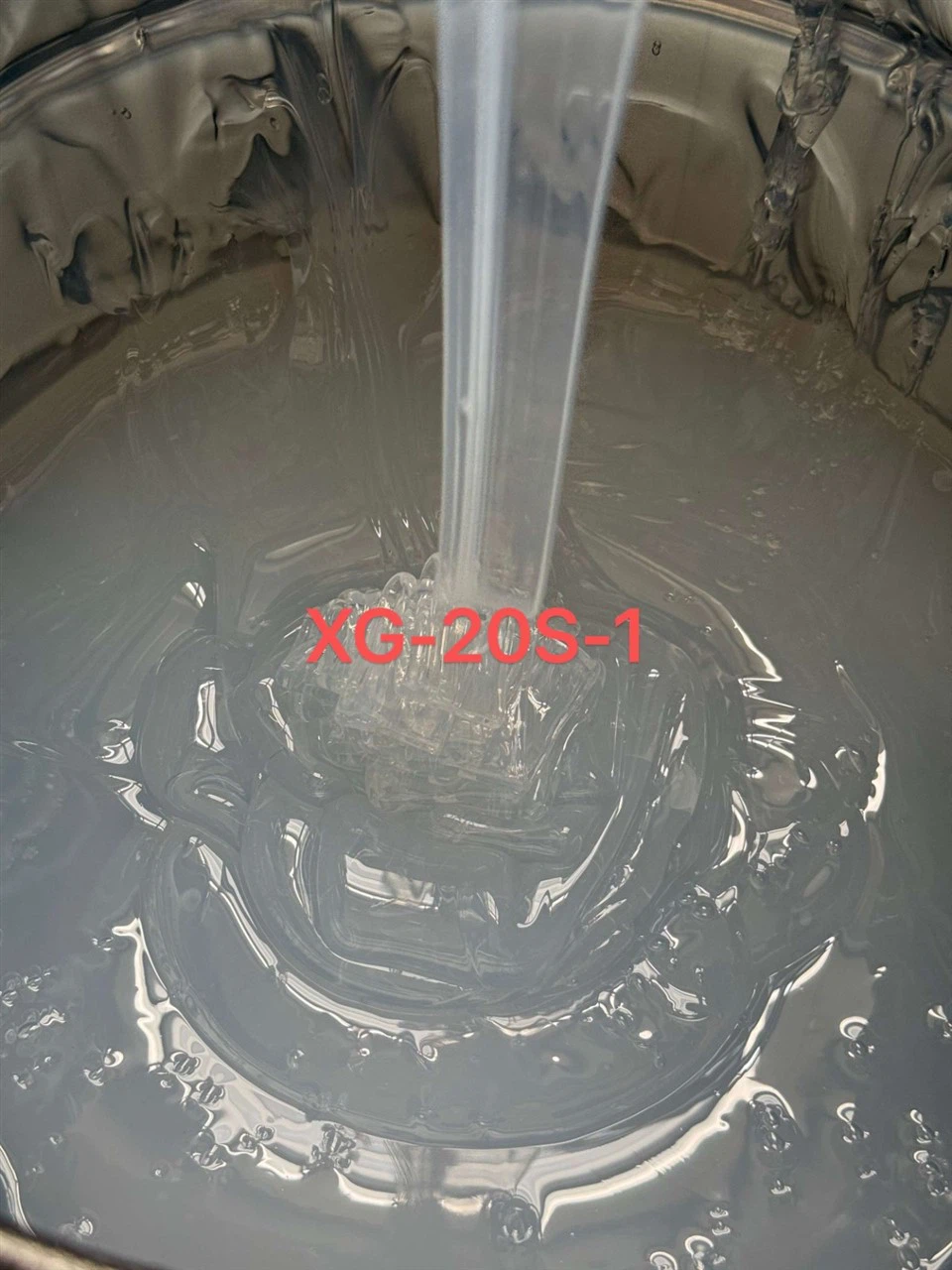
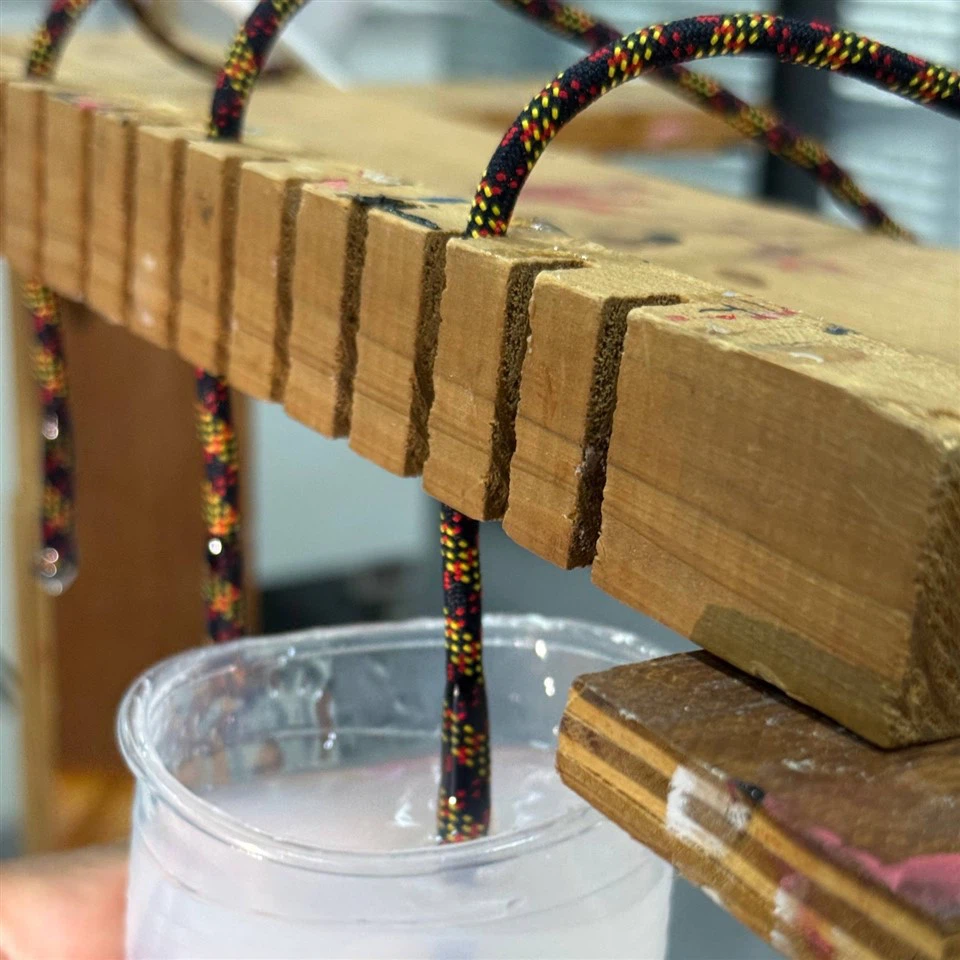
After preparation, the rope end is dipped into an undercoating silicone ink, typically XG-20S-1 or XG-20Z-1, mixed with 10% catalyst XG-MB-1and 100–120% thinner XG-128AH. This undercoating layer enhances adhesion between the rope fibers and the silicone, forming a strong foundation for subsequent layers. The rope is then lifted out carefully to maintain uniform thickness.
3. Dripping and Initial Curing
Excess silicone is allowed to drip off naturally, preventing uneven buildup. The rope is then placed in an oven for curing at 60°C for 20 minutes. This controlled curing step stabilizes the undercoating layer and prepares it for trimming and coloring.
4. Cutting: Precision Shaping
Once cured, the rope end is cut to the desired length. This step ensures consistency across products and provides a clean edge for coloring and top coating.
5. Coloring: Enhancing Visual Appeal
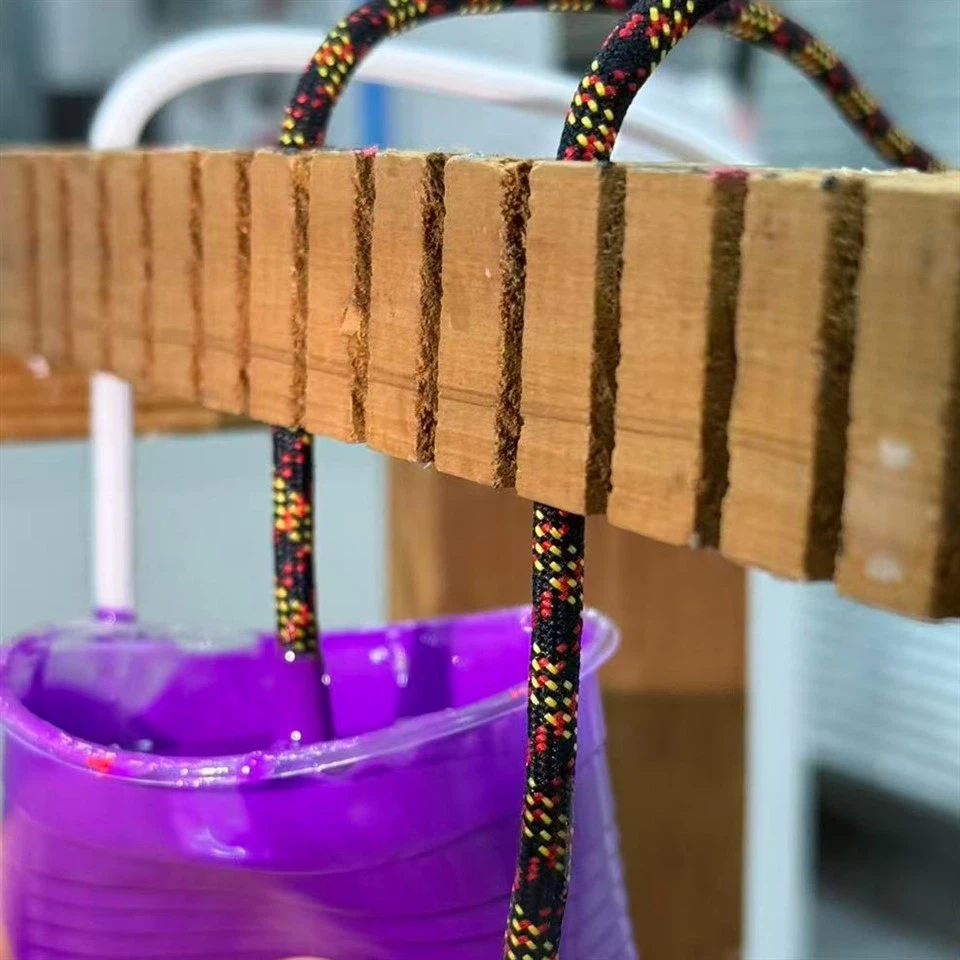
Coloring is carried out using silicone ink mixed with catalyst, thinner, and silicone pigment XG-401, typically at 5–20% depending on color intensity requirements. The rope end may undergo multiple coloring steps to achieve uniform coverage and depth of color. Between each coloring step, the rope is cured again at 60°C for 20 minutes.
6. Backflowing: Achieving Smooth Transitions
To ensure a smooth surface and natural transition at the rope end, the product is placed upside down for backflowing. This allows gravity to redistribute the silicone evenly, minimizing drips and surface defects. Another curing cycle at 60°C for 20 minutes follows to lock in the shape.
7. Top Coating: Functional and Decorative Finishes
The final appearance and performance are determined by the top coating, which can be glossy, matte, puff, or suede. Commonly used silicone inks include XG-866ARP, XG-399-2, or XG-136M-1, mixed with catalyst, thinner, and optional pigment. Puff and suede effects require higher curing temperatures (130°C for 10 minutes), while glossy and matte finishes are cured at 60°C for 20 minutes.
8. Material Selection: Choosing the Right Silicone
Two high-density silicone inks are commonly compared in rope dipping applications. XG-20S-1 offers a softer feel and brighter appearance, making it ideal for premium fashion products. XG-20Z-1, on the other hand, is firmer and reaches high density more quickly, improving production efficiency for industrial applications.
Conclusion
The silicone rope dipping process is a systematic combination of preparation, undercoating, coloring, curing, and finishing. When executed correctly, it delivers rope ends that are smooth, durable, and visually appealing. By selecting appropriate silicone formulations and following precise curing parameters, manufacturers can achieve stable quality and meet diverse design requirements across fashion and functional markets .
Hot Tags: rope dipping silicone ink, suppliers, factory, custom, wholesale, buy, bulk, low price, in stock, free sample, made in China, fabric printing ink, Silk Screen Fabric Ink, Screen Printing T Shirt factory, Wholesale Digital Silk Screen Printing Ink, Lino Printing Ink For Fabric, Custom Printed Silicone Ink