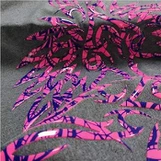
YRsilicone provides silicone printing solutions for different substrates and printing effects. Depending on the material, manufacturers can use a silicone primer system first or directly print a suitable high-build silicone ink. This approach helps reduce common problems such as peeling, cracking, and poor wash resistance. Silicone inks are also widely valued for their elasticity, durability, soft hand feel, and environmental advantages.
Silicone Primer for Difficult Materials
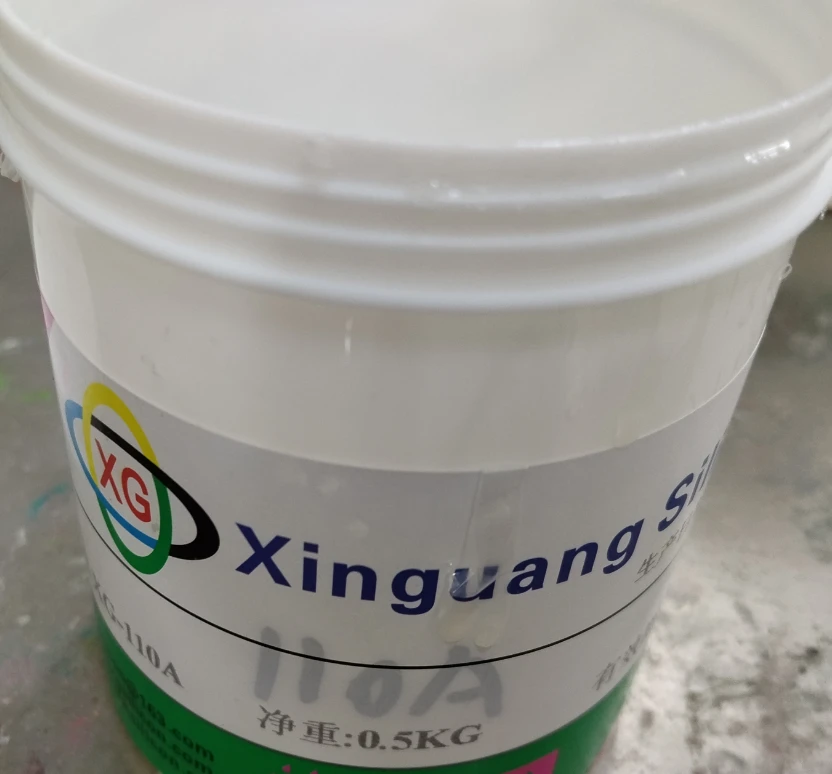
Waterproof fabric and other coated materials can be difficult to print because their surface may have low surface energy or water-repellent treatments. These surfaces can prevent silicone ink from forming a strong bond. For these applications, YRsilicone provides XG-110A and XG-180A-1 as silicone primer solutions.
★ Solution 1: XG-110A + XG-180A-1 as the Primer
When XG-110A is selected as the base primer, XG-180A-1 is used as the intermediate layer between the primer and the silicone ink. The printing structure is: Fabric → XG-110A → XG-180A-1 → Silicone → Silicone pigments → Coating Silicone → Dryer
This multi-layer approach can help improve bonding when the substrate is particularly difficult.
★ XG-180A-1 as the Primer
For another production method, XG-180A-1 can be used directly as the primer.
The structure becomes: Fabric → XG-180A-1 → High-Build Silicone Ink → Silicone pigments → Coating Silicone → Dryer
After the primer is properly prepared, the factory can directly print the required high-build silicone on top.
▲ Important: The best primer system should always be confirmed by testing the actual fabric. Different waterproof and coated fabrics may use different surface treatments.

Direct Printing for Materials with Good Adhesion
For substrates with good silicone adhesion, manufacturers can directly screen print a suitable high-build silicone. For example, XG-866AR-GT is a soft silicone solution designed for applications requiring flexibility and a soft surface: Fabric → XG-866AR-GT → Silicone pigments → Coating Silicone → Dryer. This direct-printing approach can reduce processing steps and make production more efficient.
It is particularly useful when the final product requires:
● High elasticity
● Soft hand feel
● Good recovery
● Crack resistance
● Comfortable surface performance
Choose the Silicone According to the Required Effect
The silicone material should not be selected only according to the fabric. The final print effect is also important.
For example:
| Production Requirement | Recommended Approach |
|---|---|
| Difficult or waterproof fabric | Silicone primer system |
| Strong adhesion requirement | XG-110A / XG-180A-1 |
| High-build 3D effect | Suitable high-build silicone |
| Soft and flexible print | XG-866AR-GT |
| Stretchable fabric | High-elastic silicone |
| Premium surface effect | Select silicone according to gloss or matte requirement |
This material-first approach helps printing factories avoid using the same silicone system for every project.
Why Choose YRsilicone Silicone Printing Solutions?
All YRsilicone based silicone ink and thick silicone ink products adopt imported raw materials and environmentally friendly formulas, with no harmful substances, meeting international textile environmental protection standards. Its product range covers different printing requirements, including:
● High-build silicone printing
● High-elastic silicone
● Silicone primers
● Heat transfer silicone
● Anti-slip silicone
● Embossing silicone
● Matte and glossy silicone
The company's silicone solutions are developed for different fabrics and production requirements, with an emphasis on adhesion, elasticity, durability, and stable printing performance. For difficult substrates, YRsilicone can also help manufacturers evaluate the fabric and select a suitable primer and silicone combination.
conclusion
Based silicone ink selection on the fabric, adhesion level, and required printing effect is the key to stable silicone screen printing.
For difficult materials such as waterproof or coated fabrics, XG-110A and XG-180A-1 provide primer options. XG-110A can be combined with XG-180A-1 as an intermediate layer, while XG-180A-1 can also be used as a direct primer before high-build silicone printing.
When peeling or cracking occurs, do not simply increase curing temperature or print thickness. First check fabric compatibility, primer selection, silicone elasticity, print thickness, and curing conditions. A well-matched silicone system can improve print adhesion, durability, flexibility, and production consistency.
FAQ
Q:Can silicone ink be printed directly on waterproof fabric?
A: It depends on the fabric surface. Waterproof and coated fabrics often require a suitable silicone primer to achieve reliable adhesion.
Q:Why does silicone ink crack after printing?
A: Common causes include insufficient elasticity, excessive print thickness, poor fabric compatibility, and incorrect curing. A silicone with suitable stretch performance should be selected for elastic fabrics.
Q: How to quickly confirm whether a substrate needs a primer?
A: All waterproof fabrics, PU-coated textiles, water-repellent treated materials and low-surface-energy synthetic fabrics require XG-110A or XG-180A-1 primer treatment. Common pure cotton, high-elastic fabrics with good surface activity can be directly printed with XG-866AR-GT thick silicone without primer.
Hot Tags: based silicone ink, suppliers, factory, custom, wholesale, buy, bulk, low price, in stock, free sample, made in China