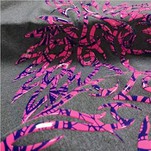
Here are some of the t-shirt printing ink that are commonly used:
In terms of environmental protection, Heat Transfer silicone labels generally have a lot going for them, but there are some drawbacks as well. The most important thing is that heat transfer technology's ecological sustainability must be taken on by both manufacturers and consumers. Heat Transfer silicone labels will benefit from improved environmental protection by using renewable energy, using environmentally friendly raw materials, and using efficient wastewater treatment.
Heat Transfer silicone labels can therefore be environmentally friendly, but only if their production and use procedures adhere to environmental standards. This will make sure the product is more earth-friendly in addition to being beautiful.
1. Plastisol Ink
It is the most widely used ink in the market. Due to its durability, flexibility, opaqueness, and ability to lay down a clean, detailed print, plasterisol continues to be the preferred ink for screen printers. Using a mixture of ethylene and chlorine suspended in liquid plastic, it is chemically produced from polymerized PVC( polyvinyl chloride). Unpolymerized PVC is used to create the liquid plastic known as plastisol.
Plastisol is extremely durable on clothing when properly cured and has a nearly infinite shelf life. It can even be kept on screens without causing damage. Plastisol is heated to extremely high temperatures( 290 to 320 F) after being "cured." The plastic mixture solidifies as the heat disintegrates the liquid suspension, giving it a strong and malleable finish.
2. Discharge Ink
A subset of inks with a water base are discharge pens. Discharge inks are made using chemical reactions. The dye from the cotton t-shirt is actually "bleached off, "revealing the fibers 'natural color( or the color you choose to leave behind). This chemical process is carried out by the active component ZFS. Amazingly adaptable are discharge inks.
Buyers find it fantastic that even the most impressive discharge prints lack a hand feel. The discharge prints almost seem to be an essential component of the shirt. Discharge inks can also be used as a base under. This method uses the peculiar chemistry of discharge ink and is extremely effective.
Despite the fact that water-based inks are less opaque than plastisol, discharge removes the color from the material, allowing you to print incredibly vivid images on dark shirts. Formaldehyde gas is released by discharge inks during curing. If you plan to work with discharge inks, you must thoroughly air your workspace. The possibility of receiving advice from your local sales representative if you're unsure of your airflow is another incentive to get to know them well.
3. Acrylic Ink
Screen printing inks of the acrylic variety are relatively new and expanding quickly. Along with their water-based cousins, they are becoming more and more well-liked. The ability of acrylic screen printing inks to dry naturally sets them apart. Polyester fabric, which is renowned for treating issues like dye migration and discoloration, is advantageous for printing on.
High-quality air-drying inks have long been desired by screen printers. Acrylic inks are typically water-based. Others might be made of plastic or petroleum. A wide range of printing methods and distinctive effects are offered by acrylic inks. Acrylic inks are notorious for drying on screens, and there is a steep learning curve.
4. Silicone Ink
The most expensive ink available on the market is silicone screen printing. They are employed in high-end retail settings. High-performance wear on textiles made of poly and nylon blends is very expensive. Graphics can be printed on silky-smooth silicone by Nike and other companies using reflecting inks and additional special effects.
Additionally, they'll print on their strangest and most creative combinations of various synthetic materials using silicone. In addition to being more expensive, silicone screen printing inks are also typically less durable thanks to the methods used to mix them. Silicone inks are primarily used in cutting-edge applications carried out in large stores with printing capabilities that are almost scientific.
Your manufacturing time and supply of ink are limited by what you can mix because the catalysts needed to print silicone inks are only active temporarily. Although silicone inks are challenging to maintain, they can be profitable for businesses that carefully manage their inking.