



When purchasing silicone ink for textile printing, providing only a product name or color is rarely enough to ensure that the material meets your production requirements. Different fabrics, printing methods, equipment, and finished-product expectations can require different silicone ink formulations. Whether you are sourcing silicone ink for garment printing, sportswear, socks, gloves, or heat transfer applications, this guide explains what information you should prepare before requesting a quotation or placing an order.
Fabric and Substrate Requirements
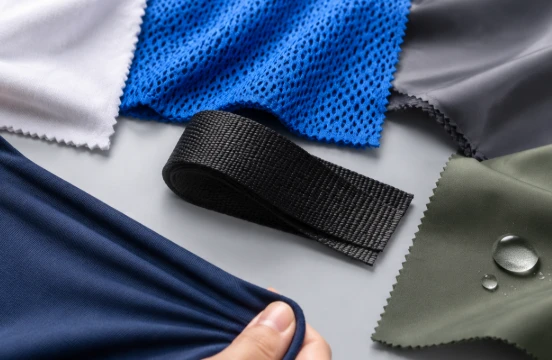
The fabric is one of the most important factors when selecting silicone ink. Before contacting a silicone ink supplier, try to provide the following information:
Fabric type: Cotton, polyester, nylon, spandex, elastic webbing, blended fabric, or other materials.
Fabric composition: If available, specify the percentage of each fiber in the fabric.
Surface treatment: Indicate whether the fabric has been waterproofed, coated, dyed, or treated with other chemicals.
Stretchability: Explain whether the substrate is non-stretch, moderately elastic, or highly elastic.
Fabric color: The base color may influence the required ink color, opacity, and printing effect.
For example, printing on ordinary cotton fabric may require different adhesion considerations from printing on waterproof nylon or highly elastic sportswear fabric. If you are unsure about the exact fabric composition, sending a fabric sample or a clear photograph can help the supplier assess the application more accurately.
Desired Printing Effects and Appearance
Silicone ink can create different surface effects. Buyers should describe the appearance they want to achieve as clearly as possible.
Common effects include:
Flat silicone printing: A smooth, relatively low-profile surface.
High-density silicone printing: A raised effect with a thicker appearance.
Puff silicone printing: A raised, expanded surface after the appropriate processing.
Embossed silicone printing: A textured or patterned surface.
Glossy silicone printing: A shiny finish that reflects light.
Matte silicone printing: A non-glossy surface with a softer visual appearance.
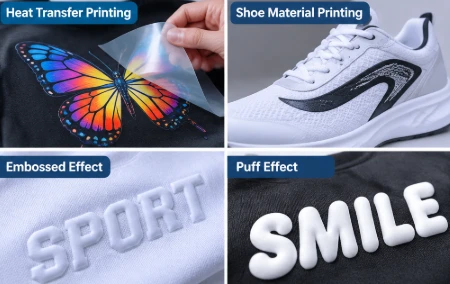
A written description is helpful, but reference images or physical samples are even better.
For example, if you need a thick logo with a soft hand feel, simply requesting high-density silicone ink may not communicate all your requirements. Providing a reference image and explaining the desired thickness, softness, and edge definition gives the supplier a clearer target.
Performance Requirements for the Finished Product
A silicone ink purchase specification should focus not only on how the material looks during printing but also on how the finished product performs in actual use.
| Application | Important performance considerations |
|---|---|
| T-shirt printing | Adhesion, hand feel, washing durability |
| Sportswear | Stretchability, flexibility, adhesion |
| Socks and gloves | Anti-slip performance, flexibility, durability |
| Elastic webbing | Strong adhesion, elasticity, resistance to cracking |
| Shoe materials | Substrate compatibility, adhesion, surface appearance |
| Silicone heat transfers | Bonding strength, flexibility, resistance to peeling |
Avoid using vague descriptions such as "good quality" or "high durability" as the only acceptance criteria. Instead, explain the actual conditions the printed product will experience. For example:
● Will the garment be stretched repeatedly during use?
● Will the printed area be exposed to frequent washing?
● Does the product need to withstand rubbing or abrasion?
● Is a soft hand feel more important than a thick surface?
● Does the finished print need to maintain its appearance after repeated use?
If you have specific performance standards, test methods, or customer requirements, share them with the supplier before sampling.
Testing Requirements and Quality Acceptance Standards
Sample testing is an important step before bulk purchasing silicone ink. It allows buyers to evaluate whether the recommended material works with their actual fabric and production process.
However, testing should be carried out under conditions that reasonably reflect mass production.
Fabric compatibility: Test the ink on the actual fabric or a representative production material.
Printing performance: Check whether the ink can be printed smoothly using your existing equipment and process.
Curing conditions: Confirm that the recommended curing process is compatible with your production equipment and fabric.
Finished appearance: Evaluate color, surface texture, thickness, gloss level, and hand feel.
Performance testing: Depending on the product's intended use, evaluate adhesion, stretchability, washing resistance, or abrasion resistance.
Production consistency: If possible, conduct a small production trial before approving a large order.
It is also important to agree on the testing method and acceptance criteria with the supplier. Different testing conditions can produce different results, so test conclusions should always be considered in the context of the actual fabric, process, and application.
Packaging, Order Quantity, and Delivery Requirements
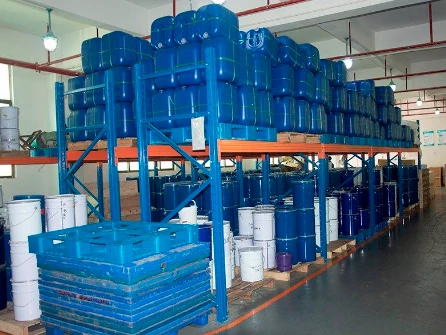
Before requesting a quotation, prepare the following information:
● Estimated order quantity.
● Required packaging size or net weight.
● Preferred delivery date.
● Shipping destination.
● Whether the purchase is a sample order, trial order, or bulk order.
● Whether you expect regular repeat purchases.
Packaging requirements matter because they affect storage, handling, and material management in your factory. In addition, you should also ask the supplier to confirm the available packaging options, product shelf life, storage conditions, and delivery lead time.
For buyers planning long-term cooperation, it is useful to discuss whether the supplier can maintain consistent material specifications across repeat orders.
How a Silicone Ink Manufacturer Can Help You Define the Right Specifications
Choosing silicone ink is not simply a matter of comparing product names and prices. The material must match the substrate, printing method, finished-product requirements, and actual production conditions.
An experienced manufacturer can help buyers evaluate these factors and narrow down suitable material options before bulk purchasing.
Huizhou YRsilicone Silicone Co., Ltd., established in 2007, has more than 19 years of experience in silicone materials. Under the XGsilicone brand, the company supplies silicone materials for textile printing and related applications
Professional Silicone Ink Manufacturer
Since 2007, XG Silicone has been dedicated to the R&D and production of silicone ink solutions for textile screen printing. With 19 years of experience in silicone formulation and printing applications, we possess deep expertise in printing processes for various materials.
Customized Solutions
Different printing applications require specific silicone ink properties. XG Silicone offers custom formulation services tailored to customers' specific industry needs, covering printing methods, fabric materials, and desired surface effects and performance characteristics.
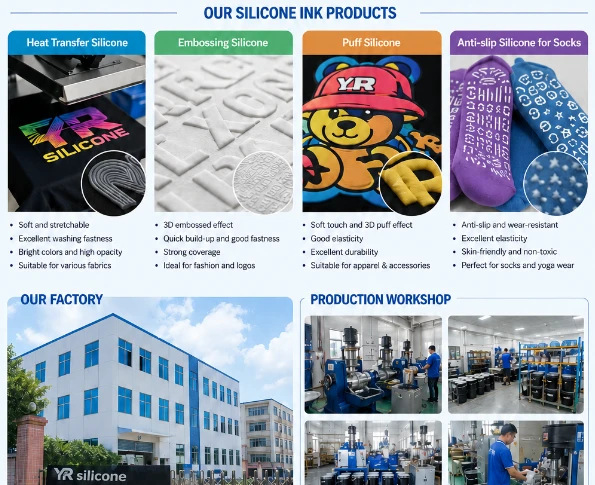
Stable Quality & Reliable Supply
XG Silicone operates a 10,000-square-meter production facility equipped with professional manufacturing machinery and quality control testing equipment; our products hold certifications to ensure consistent performance.
Technical Support & Application Experience
We offer guidance on silicone ink selection, match curing conditions to your specific printing processes and material choices. Following delivery, we continue to provide technical support to help customers enhance printing efficiency, minimize production issues, and maintain consistent product quality.