



A silicone ink that performs well during a sample test may still cause problems when it enters mass production. Differences in fabric materials, printing equipment, curing conditions, and production methods can all affect the final result. If the supplier cannot provide stable products or timely technical support, buyers may face unexpected production costs, delayed orders, and quality complaints.
Before placing a bulk order, buyers should evaluate more than the product itself. Product consistency, technical experience, sample testing, production capacity, documentation, and long-term cooperation all deserve careful attention.
This guide explains six key factors that can help buyers evaluate a silicone ink supplier and make a more informed purchasing decision.
Products Description
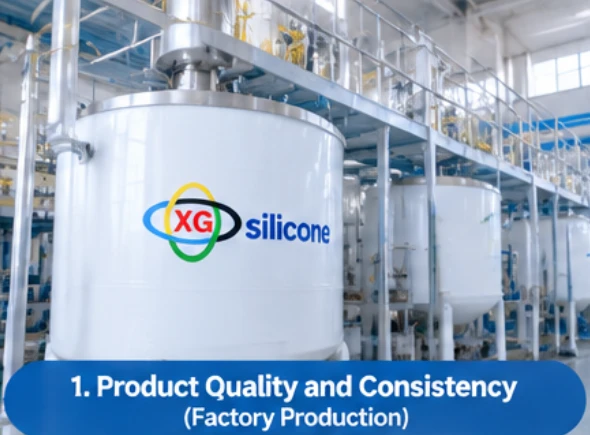
Key Performance Factors to Check
Adhesion: Does the silicone ink bond properly with the target fabric? Poor adhesion may cause printed patterns to peel or separate from the material.
Elasticity: Can the printed layer withstand stretching without developing cracks or losing its original appearance?
Hand Feel: Is the finished print soft, flexible, or firm enough for the intended application?
Surface Effect: Does the ink produce the required glossy, matte, embossed, or raised effect?
Printing Performance: Is the material suitable for the buyer's printing method and production equipment?
Batch Consistency: Can the supplier maintain similar product performance across different batches?
For a garment manufacturer, a small difference in material performance can affect the entire production process. For example, changes in viscosity or printing behavior may require operators to adjust their production settings. Variations in adhesion or curing performance may also lead to inconsistent finished products.
Therefore, buyers should ask whether the supplier has a quality control process for incoming materials, production, and finished products.
Technical Support and Application Experience
A silicone ink supplier should offer more than material delivery. Technical knowledge and application experience can make a significant difference when buyers encounter problems during testing or production.
Different fabrics and printing processes may require different silicone ink solutions. A material that works well on cotton may not deliver the same adhesion performance on waterproof nylon or other difficult-to-bond fabrics.
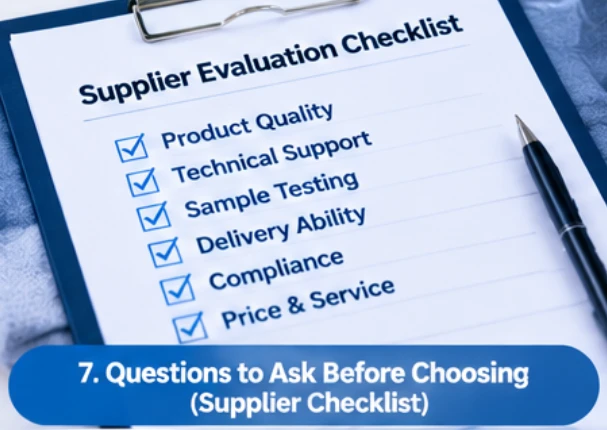
Questions Buyers Should Ask
Before choosing a supplier, consider asking:
① Can the supplier recommend suitable silicone ink for different fabric types?
② Does the supplier understand screen printing and silicone heat transfer applications?
③ Can the supplier explain the recommended mixing and curing requirements for a specific product?
④ Is technical assistance available when printing problems occur?
⑤ Can the supplier help identify possible causes of poor adhesion, cracking, or unsatisfactory surface effects?
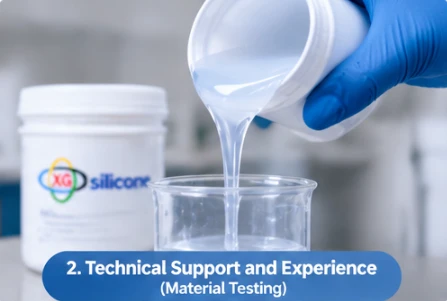
Why Application Experience Is Important
Consider a factory that produces sportswear using elastic fabrics. Its main requirement may be a soft printed layer that can withstand repeated stretching.
Another factory may manufacture socks and need silicone printing to improve grip. In this case, anti-slip performance and the suitability of the material for the target fabric are more important.
These two applications have different requirements. A supplier with practical application experience is more likely to understand these differences and recommend an appropriate material.
When comparing suppliers, buyers should evaluate whether the technical team can understand their actual production requirements instead of recommending the same product for every application.
Test Silicone Ink Samples Before Placing a Bulk Order
Sample testing is one of the most effective ways to reduce purchasing risks. Buyers should avoid relying entirely on product descriptions, promotional images, or general performance claims. A sample test allows the buyer to check whether the material meets the requirements of the actual product and production process.
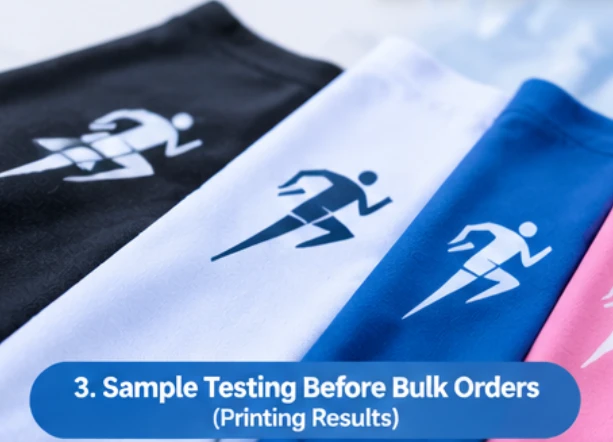
From Sample Approval to Mass Production
1. Confirm the fabric and final product requirements.
2. Request a suitable silicone ink sample from the supplier.
3. Conduct printing and curing tests under the intended conditions.
4. Evaluate adhesion, elasticity, hand feel, and appearance.
5. Run a small production trial when necessary.
6. Confirm the material and process before placing the bulk order.
Buyers should also keep records of the approved sample, product specifications, mixing instructions, and agreed production conditions. These records can help reduce misunderstandings when placing repeat orders.
Production Capacity and Delivery Reliability
A supplier may offer suitable silicone ink, but can it support the buyer's actual purchasing volume and future demand? Production capacity and delivery reliability are especially important for manufacturers with regular orders or seasonal production schedules.
What Should Buyers Evaluate?
Manufacturing Capability
Ask whether the supplier manufactures silicone ink directly or mainly acts as a trading company. A direct manufacturer may offer closer communication with the production team and more flexibility when discussing product requirements.
Order Capacity
Check whether the supplier can support the expected quantity and whether it can handle repeat orders. If the buyer's demand increases, the supplier should be able to discuss realistic production arrangements.
Lead Time
Ask for a clear production and delivery schedule before confirming an order. Lead times may vary depending on product availability, customization requirements, order quantity, and shipping arrangements.
Supply Stability
For long-term purchasing, buyers should consider whether the supplier can maintain a stable supply of the same product specifications over time.
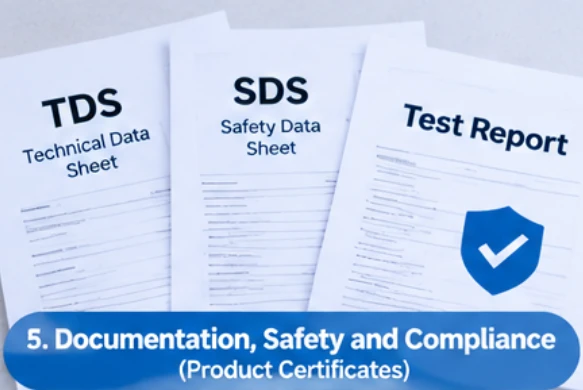
Documents Buyers May Request
| Document | Purpose |
|---|---|
| Technical Data Sheet (TDS) | Provides product specifications, application guidance, and relevant technical information |
| Safety Data Sheet (SDS) | Provides information about hazards, handling, storage, and safety precautions |
| Product Specifications | Helps confirm product identity and agreed purchasing requirements |
| Relevant Test Reports | Provides evidence of specific product or material testing |
| Applicable Compliance Documents | Helps buyers assess whether the material meets requirements for their intended market and application |
Do Not Evaluate Compliance by Certificates Alone
Not every certificate or test report applies to every silicone ink product.
Buyers should confirm:
≮ Which product or material does the document cover?
≮ Is the document current and issued by a relevant organization?
≮ Does it apply to the intended end use?
≮ Does it meet the requirements of the buyer's market or customer?
≮ If a supplier claims that a product meets a particular standard, buyers should request the relevant supporting documentation and verify its scope.
≮ Clear documentation helps buyers make better purchasing decisions and communicate more effectively with their own customers.
Pricing, MOQ, and Long-Term Cooperation
Price is an important purchasing factor, but comparing suppliers only by price per kilogram can lead to an incomplete evaluation. The actual cost of using silicone ink depends on more than the purchase price.

Look Beyond the Price Per Kilogram
● Product performance under actual printing conditions
● Material consumption per finished product
● Printing efficiency and ease of operation
● Material waste during production
● The possibility of reprinting or product rejection
● Technical support and after-sales communication
● Shipping costs and delivery arrangements
A lower-priced material may not be the most economical choice if it creates more waste, requires repeated adjustments, or produces inconsistent printing results.
Understand MOQ and Sample Policies
Minimum order quantity (MOQ) is another factor to confirm before purchasing.
Some suppliers require buyers to place a relatively large first order, while others may provide samples or accept smaller initial orders for testing.
Buyers should ask:
◆ What is the minimum order quantity?
◆ Can samples be provided before placing a bulk order?
◆ Are customized silicone ink solutions available?
◆ Can the supplier provide technical guidance during application?
◆ Are product specifications maintained for repeat orders?
Why Work with an Experienced Silicone Ink Manufacturer?
After evaluating product quality, technical support, production capacity, documentation, and purchasing terms, buyers can make a more informed decision about which supplier to work with. For overseas buyers, working directly with an experienced silicone ink manufacturer can make communication about product requirements and application problems more straightforward.
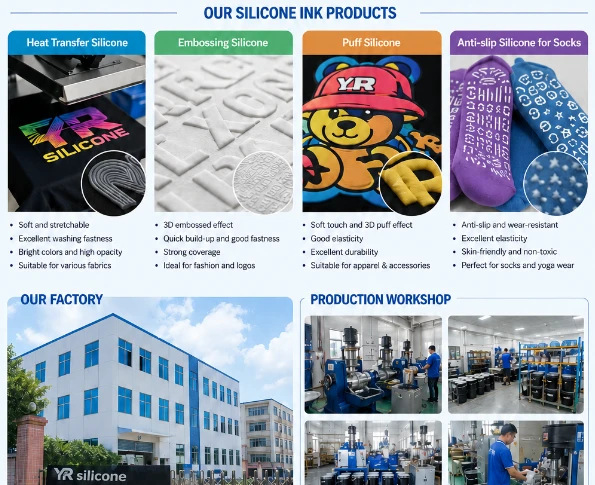
Huizhou YRsilicone Silicone Co., Ltd. was founded in 2007 and has more than 19 years of experience in the silicone industry. Under the XGsilicone brand, the company provides silicone materials for different textile printing and related applications.
Professional Silicone Ink Manufacturer
Since 2007, XG Silicone has been dedicated to the R&D and production of silicone ink solutions for textile screen printing. With 19 years of experience in silicone formulation and printing applications, we possess deep expertise in printing processes for various materials.
Customized Solutions
Different printing applications require specific silicone ink properties. XG Silicone offers custom formulation services tailored to customers' specific industry needs, covering printing methods, fabric materials, and desired surface effects and performance characteristics.
Stable Quality & Reliable Supply
XG Silicone operates a 10,000-square-meter production facility equipped with professional manufacturing machinery and quality control testing equipment; our products hold certifications to ensure consistent performance.
Technical Support & Application Experience
We offer guidance on silicone ink selection, match curing conditions to your specific printing processes and material choices. Following delivery, we continue to provide technical support to help customers enhance printing efficiency, minimize production issues, and maintain consistent product quality.