In recent years, silicone ink has become one of the most popular materials in the textile printing industry. Compared with traditional plastisol or water-based inks, silicone ink offers superior performance, durability, and versatility, making it especially suitable for high-end garments, sportswear, and functional textiles. Below are the key benefits of using silicone ink for textile printing.
1. Excellent Durability and Wash Resistance
One of the biggest advantages of silicone ink is its outstanding durability. Once cured, silicone ink forms a flexible and resilient film that bonds strongly to the fabric. Prints made with silicone ink maintain their appearance even after repeated washing, resisting cracking, peeling, or fading. This makes it an ideal choice for garments that require long service life, such as sports apparel, workwear, and outdoor clothing.
2. Superior Elasticity and Soft Hand Feel
Silicone ink is naturally elastic, allowing it to stretch and recover along with the fabric without breaking. This property is especially important for stretch fabrics such as polyester, nylon, spandex, and blended materials. In addition, silicone ink provides a smooth and soft hand feel, enhancing wearer comfort. Unlike some traditional inks that feel stiff or heavy, silicone prints remain flexible and pleasant to the touch.
3. Strong Adhesion to a Wide Range of Fabrics
Silicone ink demonstrates excellent adhesion to many textile substrates, including cotton, polyester, nylon, waterproof fabrics, and blended materials. With the use of proper undercoating silicone inks, adhesion can be further enhanced on difficult fabrics. This wide applicability allows printers to use silicone ink across different product lines without frequently changing materials or processes.
4. High-End Visual and Special Effects
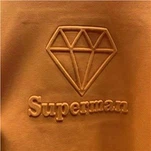
Silicone ink is highly versatile when it comes to creating visual and tactile effects. It can be used to produce matte, glossy, high-density, puff, molded, and embossed effects, as well as imitation embroidery or rhinestone finishes. These decorative possibilities help brands differentiate their products and add premium value. Silicone ink also offers excellent color clarity and stability, ensuring consistent results in mass production.
5. Excellent Performance in Harsh Conditions
Garments printed with silicone ink perform well under extreme conditions. Silicone ink is resistant to heat, UV exposure, and aging, making it suitable for outdoor and athletic apparel. It also maintains flexibility and adhesion even in cold or hot environments, ensuring consistent performance regardless of climate or usage conditions.
6. Environmentally Friendly and Skin-Safe
Modern silicone inks are designed to meet strict environmental and safety standards. Many formulations are free from PVC, phthalates, and heavy metals, making them safer for both workers and end users. Silicone ink is also non-toxic and skin-friendly, which is particularly important for children's clothing and garments that are worn close to the skin.
7. Compatibility with Advanced Printing Techniques
Silicone ink works well with various advanced textile printing processes, including screen printing, heat transfer, reverse transfer, and multi-layer printing. It supports complex designs and layered effects while maintaining consistency and precision. This compatibility helps manufacturers improve efficiency and expand their creative capabilities.
Conclusion
Silicone ink offers a wide range of benefits for textile printing, including exceptional durability, elasticity, adhesion, and design flexibility. Its ability to deliver high-quality visual effects, combined with comfort, safety, and environmental advantages, makes it a preferred choice for modern textile applications. As the demand for high-performance and premium garments continues to grow, silicone ink is set to play an increasingly important role in the future of textile printing.