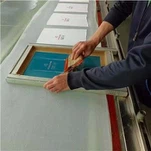
3D embossing technique is a popular method for adding intricate designs and patterns to fabrics. Choosing the right fabric is essential to getting the desired output. For pressing, fabrics with a tight weave and smooth texture are ideal. Poly-blend fabrics with up to 60% cotton and 40% polyester works well with silicone embossing.
Silicone embossing is a process of heating and pressing the material using an alumimum mold. The alumimum mold is placed on top of the fabric, then heated to allow the silicone to bond to the fibers, creating a textured pattern. This technique works extremely well on cotton-poly blends.
Before 3D embossing ,please start embossing machine to heat the mold up.You must set up the correct temperature ,pressing seconds.

The alumimum mold is also called mother and father molds.The bottom is mother mold;The upper is father mold.
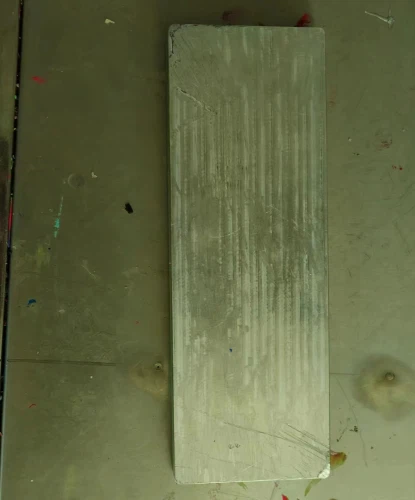

Father mold:

Mother mold:

You need print the silicone ink for embossing on fabric with one rubber squeegee.

The silicone ink has many items.They have diffirent usage.Don't use high density silicone XG-866A for embossing.
You only use the silicone ink for embossing XG-360KY-65.It's milky paste.

When it comes to polyester fabrics, silicone embossing can still be effective, but the level of 3D effect will depend on the type of material used. 100% polyester fabrics can be a bit trickier to work with as they have a tendency to melt if too much heat is applied. However, a skilled artisan can make impressive 3D designs on it using silicone pressing technique.
In conclusion, when it comes to pressing garments, the fabric is the most important consideration. Cotton-poly blends are the easiest to work with when using silicone pressing, while polyester can be a little more challenging, but still doable. The silicone pressing technique is ideal for creating unique designs that add an innovative touch to any garment, and give a fine texture to the fabric without changing its quality and appearance.