Puff silicone provides manufacturers with another way to differentiate textile products without changing the basic screen-printing workflow.
Instead of relying entirely on color to make a design stand out, the printer can use surface height, texture and light reflection to create visual variation.
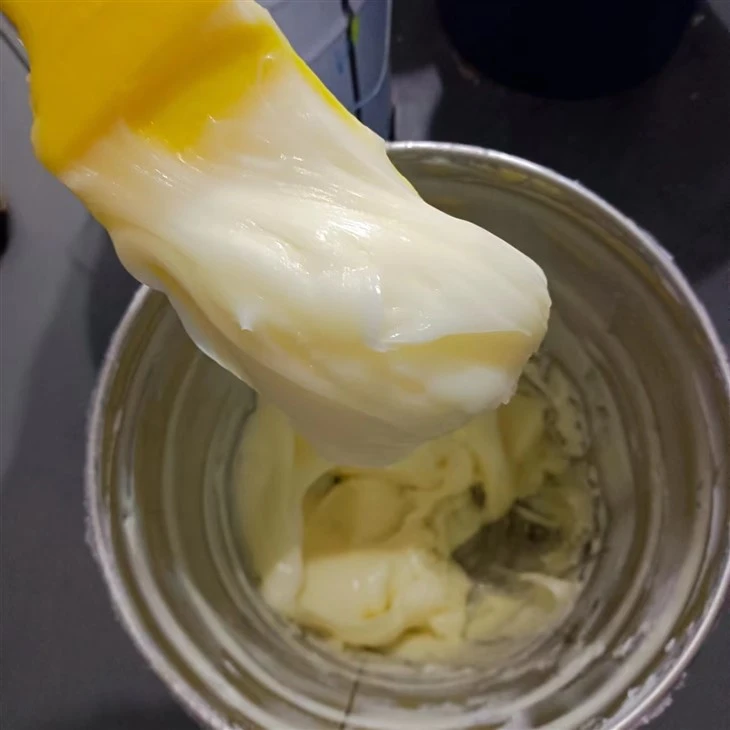
XGsilicone's XG-866ARP puff silicone is formulated for screen printing applications and can be used on garments, sportswear, footwear materials, gloves and other suitable textile substrates. It can be processed with either manual screen printing or automatic printing equipment, depending on production requirements.
How Does Silicone Puff Ink Create a Raised Effect?
The silicone ink contains a puff component that responds to heat during curing. As the printed layer is heated, the material expands and develops a three-dimensional profile. The final appearance depends on several factors, including:
● Number of printing passes
● Silicone viscosity
● Heating conditions
● Fabric construction
● Curing method
● Puff formulation
This means puff printing is not simply a matter of applying more ink. The printing thickness and curing process need to be balanced to achieve a stable and uniform surface. A properly controlled process can produce a recognizable raised texture while maintaining the flexibility expected from silicone textile printing.


Key Benefits of Screen Printing Puff Silicone
★ Creates a Dimensional Surface
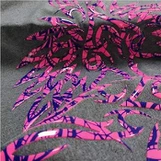
The main advantage of puff silicone is its ability to transform a flat graphic into a tactile design. The raised surface can make logos, lettering and patterns more noticeable without using additional physical layers.
★ Soft and Flexible Printed Layer
Silicone-based puff ink can provide a more flexible finish than some rigid raised printing materials. This makes it suitable for garments and sportswear where the printed area needs to move with the fabric.
★ Works with Different Design Styles
The puff effect can be used on simple one-color graphics as well as selected colorful designs. Silicone-compatible pigments can be incorporated when a colored puff effect is required. YRsilicone's current product information also describes adding silicone pigment to XG-866ARP for colored printing.
★ Suitable for Manual and Automatic Production
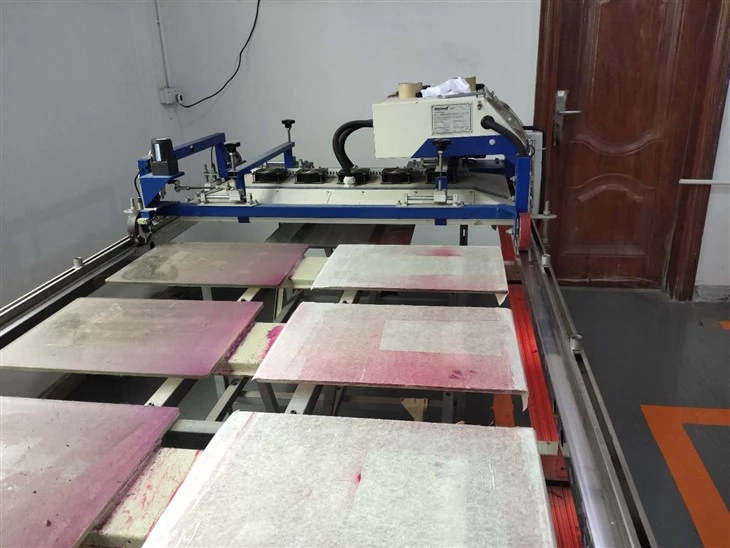
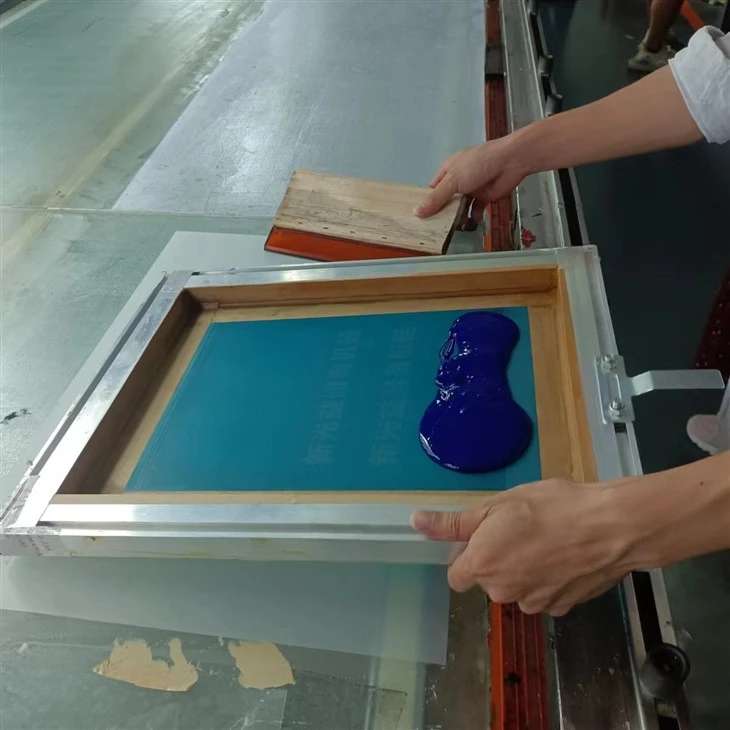
Puff silicone can be printed by hand on a flat printing table or integrated into automatic screen-printing production. The choice depends on order volume, design complexity and factory equipment.
★ Suitable for Functional and Decorative Products
Puff silicone is not limited to fashion graphics. The same technology can be considered for sportswear, footwear materials, gloves and other textile products where a dimensional silicone surface is required.


What Determines the Final Puff Height?
One of the most important production questions is why two prints using the same puff silicone can produce different heights. The answer is that puff height is affected by multiple variables:
◆ Screen Thickness
The stencil controls the amount of silicone deposited onto the fabric. A suitable screen setup is therefore important for achieving the required print build.
◆ Number of Passes
Additional printing passes can increase the deposited silicone layer, but more passes do not automatically produce a better puff effect. Too many layers may lead to uneven drying, poor edge definition or inconsistent expansion.
◆ Curing Temperature
Heat activates the puff effect. Insufficient heat may result in incomplete expansion, while excessive or poorly controlled heating can negatively affect the printed surface.
◆ Heating Time
Temperature and time work together. A production oven should be adjusted according to the actual silicone system, garment material and equipment.
◆ Fabric Surface
A flat, smooth textile surface generally provides a different result from a brushed, fleece or highly textured fabric. For fabrics with loose fibers or raised surfaces, preparation or a suitable underbase may be required.
◆ Silicone Formulation
Different puff formulations can produce different expansion behavior, surface textures and softness. For this reason, manufacturers should choose the silicone based on the intended effect rather than attempting to modify a standard silicone ink beyond its recommended formulation.
Common Puff Silicone Printing Problems
1,The Puff Effect Is Too Low
Possible causes include insufficient silicone thickness, unsuitable curing conditions or an incorrect puff formulation.
Solution: Check the deposited layer, screen setup and curing parameters before increasing the number of printing passes.
2,The Surface Is Uneven
Uneven expansion can result from inconsistent silicone deposition, incomplete flash drying between layers or unstable heating.
Solution: Maintain consistent layer thickness and allow each layer to reach the required surface condition before applying the next one.
3,The Screen Starts to Block
Silicone can begin to cure in the mesh if the working time is too short or the screen remains exposed to excessive heat.
Solution: Review catalyst selection, production temperature and screen-cleaning intervals. For automatic production, a suitable slower-curing system may provide a longer working window.
4,The Puff Effect Changes from One Garment to Another
Different fabrics absorb, stretch and respond to heat differently.
Solution: Test the complete production combination of fabric, silicone, screen, oven and printing machine rather than evaluating the ink alone.
5,The Print Loses Its Shape
An unstable curing process or unsuitable ink thickness can affect the final structure.
Solution: Optimize the print thickness and curing profile through sample testing before bulk production.
Why Choose XGsilicone Puff Silicone?
XGsilicone offers silicone-based printing materials for different textile effects, including high-density, matte, glossy, embossing, transfer and puff applications.
For puff printing, XG-866ARP is designed specifically for creating a foamed, dimensional silicone effect. The system uses XG-866B-2 as its catalyst and can be adapted for manual or automatic screen-printing production.
For new applications, the recommended approach is to test the silicone with the customer's actual fabric, screen and curing equipment. This allows the printing parameters to be adjusted for the required puff height, appearance and production speed.
FAQ About Puff Silicone Ink
● Can puff silicone be printed by an automatic screen printing machine?
Yes. Puff silicone can be processed on automatic screen-printing machines. Production settings such as catalyst selection, flash drying and oven temperature need to be adjusted to maintain a suitable working time and consistent print quality.
● How many times should puff silicone be printed?
The number of printing passes depends on the required height, screen configuration and fabric. Multiple passes are commonly used to build sufficient silicone thickness, but the correct number should be established through testing rather than using one fixed number for every design.
● Can puff silicone be used on waterproof nylon?
It can be used on selected waterproof nylon materials, but adhesion can be more challenging than with some conventional fabrics. A suitable silicone underbase or primer may be required. YRsilicone currently recommends XG-360Z-3 or XG-136AB for certain waterproof nylon applications.
Hot Tags: Silicone Puff for Dimensional Textile Printing, suppliers, factory, custom, wholesale, buy, bulk, low price, in stock, free sample, made in China, puff print, HD Screen Printing, Printing Press Process, Wholesale Best Screen Printing Ink, Screen Printing Machine, Screen Printing Material Free Sample