



Silicone ink is widely used in textile printing because of its excellent flexibility, soft touch, and long-lasting performance. It is commonly applied to sportswear, fashion apparel, heat transfer labels, and high-density 3D logos. When applied correctly, silicone prints can withstand repeated washing, stretching, and daily wear while maintaining their appearance.
However, one of the most common challenges in production is poor adhesion. If silicone ink not sticking has become a recurring issue in your printing process, you're not alone. Peeling, lifting, or cracking usually results from a combination of material selection, printing parameters, and curing conditions-not simply from the ink itself.
How Silicone Ink Bonds to Fabric
Before troubleshooting, it helps to understand how silicone ink adheres to textiles.
Understanding Silicone Ink Adhesion
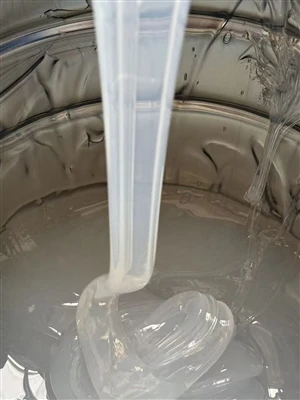
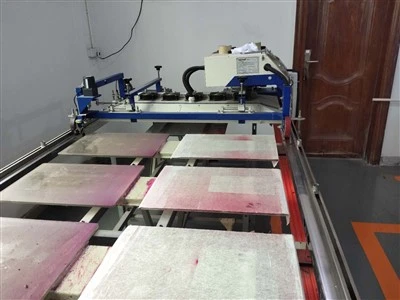
Unlike conventional inks that mainly sit on the fabric surface, silicone ink forms a durable bond through a combination of mechanical anchoring and chemical compatibility. The strength of this bond depends on several factors working together.
Successful adhesion requires:
★ A compatible fabric surface
★ Properly formulated silicone ink
★ Accurate catalyst mixing
★ Correct curing temperature and time
★ Stable printing conditions
If any of these factors are incorrect, the final print may peel, lift, or fail after washing.
Factors That Affect Adhesion
Several variables influence whether silicone ink bonds successfully:
Fabric composition
Surface treatments and coatings
Ink formulation
Mixing ratio
Printing thickness
Oven temperature
Curing time
Environmental humidity
Understanding these variables helps identify the real cause of adhesion failure instead of replacing materials unnecessarily.
Common Reasons Why Silicone Ink Is Not Sticking
Most adhesion failures can be traced to one or more of the following issues.
1. The Fabric Is Not Compatible
Not every textile reacts the same way to silicone printing.
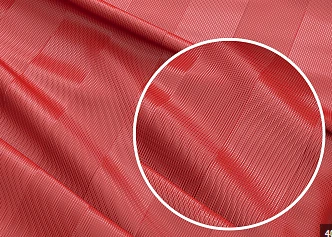
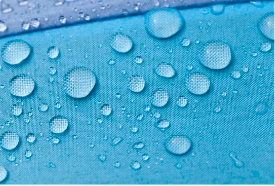
Certain fabrics, such as waterproof nylon, coated polyester, or fabrics treated with water repellents, have low surface energy. These surfaces make it more difficult for silicone ink to create a strong bond.
Common challenging materials include: Nylon,Waterproof fabrics,PU-coated textiles and Silicone-treated fabrics.

Solution
Always identify the fabric before production. Some materials require a specialized silicone ink formulation or an adhesion promoter to achieve reliable bonding.
2. The Fabric Surface Is Contaminated
Even high-quality silicone ink cannot adhere properly if the fabric surface contains contamination.
Common contaminants include:Dust,Oil,Silicone softeners,Release agents,Moisture and Fingerprints. These materials create a barrier between the ink and the textile.
Solution
Store fabrics in clean conditions and remove contaminants before printing. If possible, perform a small adhesion test before beginning mass production.
3. Incorrect Catalyst Mixing Ratio
Most textile silicone inks are two-component systems consisting of a base and a catalyst.
If the catalyst ratio is incorrect, the curing reaction may not complete properly.
Problems include:
● Under-cured ink
● Reduced adhesion
● Soft surface
● Premature peeling
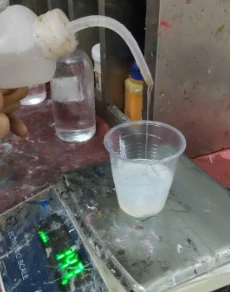
Poor mixing can create similar issues, even when the ratio is correct.
Solution
Follow the supplier's recommended mixing ratio carefully. Use accurate measuring equipment and mix thoroughly until the material is completely uniform.
4. Using the Wrong Silicone Ink
Not all silicone inks are designed for the same application.
Different formulations are developed for:
● Cotton fabrics
● Polyester
● Nylon
● Heat transfer films
● Silicone rubber
● High-stretch sportswear
Using the wrong product may cause poor bonding even if the printing process is correct.
Solution
Choose a silicone ink specifically formulated for your substrate and production process. When testing a new material, consult your supplier for technical recommendations.
How to Troublesbleshoot Silicone Ink Adhesion Problems
A systematic troubleshooting process saves time and reduces production waste.
Step 1: Identify the Fabric
Confirm the exact fabric composition.
A cotton-polyester blend behaves differently from coated nylon or elastic performance fabric. Knowing the substrate helps determine the most suitable silicone system.
Step 2: Check Ink Preparation
Review the following:
● Mixing ratio
● Pot life
● Storage conditions
● Mixing consistency
Expired or improperly stored materials may also affect performance.
Step 3: Verify Curing Conditions
Inspect your production equipment carefully.
Check:
▲ Actual oven temperature
▲ Heating consistency
▲ Conveyor speed
▲ Curing duration
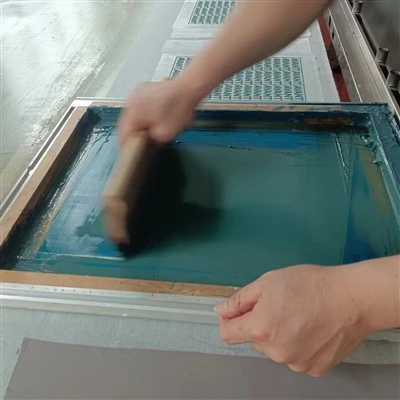
Infrared thermometers and temperature indicators can help confirm whether the printed surface reaches the required curing temperature.
Step 4: Perform Adhesion Testing
Never rely only on visual inspection.
Before large-scale production, perform:
√ Tape adhesion tests
√ Stretch tests
√ Wash resistance tests
√ Cross-hatch adhesion tests
These evaluations help identify potential problems before products reach customers.
Conclusion
If your silicone ink not sticking issue is affecting production, remember that the problem is rarely caused by a single factor. Fabric compatibility, surface cleanliness, catalyst ratio, curing conditions, printing thickness, and ink selection all influence the final result.
By following a systematic troubleshooting process and working with high-quality materials, manufacturers can significantly improve adhesion, reduce production waste, and deliver durable, professional-looking prints.
At YRsilicone, we are committed to helping customers overcome silicone printing challenges through reliable products, technical expertise, and customized application support for textile and apparel industries.