



Choosing the right silicone screen printing ink is an important decision for textile printing manufacturers. Although a sample may look good during the initial printing process, its performance in mass production can be very different. Problems such as peeling, cracking, poor wash resistance, and inconsistent surface finishes may not become noticeable until the printed garments are used or washed.
Before placing a bulk order, buyers should evaluate the material through practical performance tests under conditions similar to their actual production environment. This guide introduces six essential quality tests that can help buyers assess silicone screen printing ink and make more informed purchasing decisions.
Adhesion Test: Does Silicone Ink Bond Properly to Different Fabrics?
Adhesion is one of the most important factors when evaluating silicone screen printing ink. Even if the printed design looks attractive, poor bonding between the silicone layer and the fabric can cause peeling or delamination during use.
Different fabrics have different surface characteristics, which can influence how silicone ink attaches to them. Therefore, buyers should not assume that one silicone formulation will provide the same adhesion performance on every textile material.
How to Test Silicone Ink Adhesion
Before purchasing in bulk, buyers should prepare fabric samples that match their actual production materials. A practical evaluation process includes:
Print the silicone ink onto the selected fabric using the intended printing process.
Follow the recommended drying and curing conditions.
Allow the printed samples to cool and stabilize.
Examine the printed surface for visible separation or edge lifting.
Conduct an appropriate adhesion test, such as a controlled tape test, if suitable for the fabric and print construction.
The test method should be consistent across samples so that different materials and ink formulations can be compared fairly.
Which Fabrics Require Additional Adhesion Testing?
Polyester: Fabric finishes, dyes, and surface characteristics may affect silicone adhesion.
Nylon: Some nylon fabrics require a suitable primer or adhesion-promoting system.
Cotton: Absorbency and fabric construction can influence the printing result.
Spandex and elastic blends: Adhesion should be evaluated together with the fabric's stretching behavior.
Waterproof or coated fabrics: Surface treatments may make bonding more challenging.
Stretch Test: Can the Printed Silicone Layer Withstand Repeated Stretching?
Elasticity is particularly important for sportswear, swimwear, socks, gloves, and other textile products made from stretchable fabrics. A silicone print may initially appear smooth and complete but develop cracks when the garment is stretched. This can happen when the elasticity of the printed layer does not match the movement and recovery characteristics of the fabric.
How to Perform a Stretch Test
Buyers can use the following procedure:
● Prepare a fully cured silicone-printed fabric sample.
● Record its original dimensions before stretching.
● Stretch the fabric gradually in the direction relevant to its intended use.
● Observe the printed area during stretching.
● Release the fabric and allow it to recover.
● Repeat the process and inspect the print for damage.
For a more reliable comparison, use consistent stretching distances, cycles, and testing conditions.
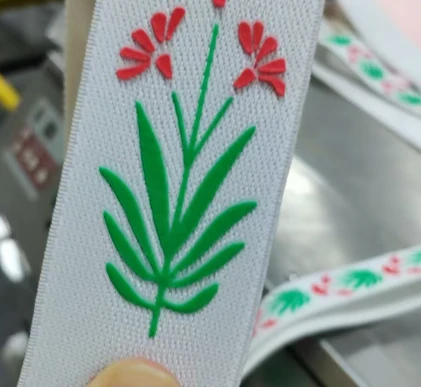
What Should Buyers Look For?
During the test, pay attention to:
◆ Cracking: Does the silicone layer develop visible cracks?
◆ Delamination: Does the printed layer separate from the fabric?
◆ Elastic Recovery: Does the print remain intact after the fabric returns to its original shape?
◆ Surface Integrity: Does repeated stretching affect the appearance of the printed design?
A suitable silicone ink should be selected according to the elasticity requirements of the final textile product. For highly elastic sportswear and stretch fabrics, buyers may need a specialized high-elasticity silicone formulation rather than a standard printing material.
Wash Resistance Test: Will Silicone Prints Remain Durable After Repeated Washing?
Wash resistance is another important consideration when purchasing silicone screen printing ink, especially for garments that require frequent cleaning.
A printed sample may look satisfactory immediately after curing, but washing can reveal weaknesses that are not visible during initial inspection.These problems may include peeling, cracking, surface changes, or reduced adhesion between the print and the fabric.
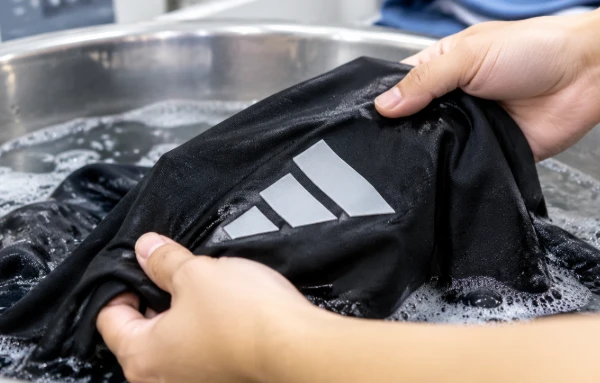
How to Conduct a Wash Resistance Test
A practical evaluation should follow these steps:
≮ Prepare fully cured silicone-printed fabric samples.
≮ Record the original appearance of the printed surface.
≮ Wash the samples using the intended washing method.
≮ Allow the samples to dry completely.
≮ Examine the printed areas for visible damage.
Repeat the process according to the product's expected washing requirements.
Products Description
| Evaluation Item | What to Observe |
|---|---|
| Adhesion | Whether the silicone print starts peeling |
| Surface Integrity | Whether cracks or other visible damage appear |
| Appearance | Whether the surface finish changes significantly |
| Print Structure | Whether the printed layer remains intact |
| Fabric Compatibility | Whether the print continues to bond properly with the fabric |
It is important to remember that washing performance depends on more than the ink formulation alone. Fabric type, printing thickness, curing conditions, and washing procedures can all influence the result.
Abrasion Resistance Test: Can Silicone Prints Withstand Daily Friction?
Abrasion resistance refers to the ability of a printed surface to withstand repeated rubbing or friction without excessive wear.
This property is especially important for silicone printing applications on footwear materials, socks, gloves, sportswear, and other products that experience frequent contact with external surfaces.
For example, anti-slip silicone patterns on socks and gloves may experience repeated friction during everyday use. If the printed surface wears down too quickly, the appearance and intended functionality of the product may be affected.
How to Perform an Abrasion Resistance Test
Buyers can evaluate abrasion performance through a controlled rubbing test.
A typical procedure includes:
1. Prepare silicone-printed fabric samples with consistent printing and curing conditions.
2. Select an appropriate abrasion testing method.
3. Apply controlled rubbing under consistent test conditions.
4. Inspect the printed surface at defined testing intervals.
5. Compare the samples for visible wear, material loss, and surface damage.
For laboratory evaluation, an appropriate method such as Martindale abrasion testing under ISO 12947 may be considered when suitable for the textile construction and intended application.
Curing Performance Test: Does Silicone Ink Cure Properly Under Production Conditions?
Proper curing is essential for achieving the expected performance of silicone screen printing ink.
Even a suitable silicone formulation may produce unsatisfactory results if the curing process is not properly controlled. Insufficient curing can affect the printed layer's final properties, including adhesion, flexibility, and durability.
Buyers should therefore evaluate curing performance before confirming a bulk order.
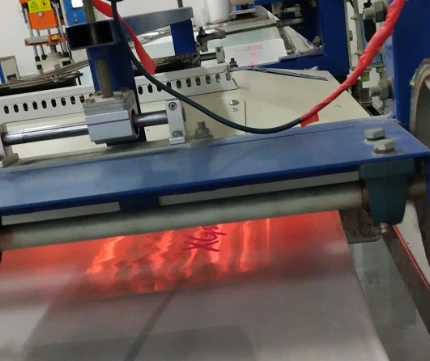
What Factors Affect Silicone Ink Curing?
Curing Temperature
Different silicone formulations may require different curing temperatures. The temperature should follow the supplier's technical recommendations.
Curing Time
The ink must receive sufficient heat for the intended curing process. A surface that feels dry does not necessarily mean the entire printed layer has cured properly.
Catalyst Ratio
Some silicone ink systems require a catalyst or curing agent. Incorrect mixing ratios may affect curing performance and final print quality.
Fabric Heat Resistance
The fabric must be able to withstand the required curing conditions without shrinking, discoloring, or suffering other heat-related damage.
Printing Thickness
Thicker printed layers may require particular attention to curing conditions compared with thinner prints.
How to Ensure Consistent Quality from Sample Testing to Bulk Production?
Passing the six tests is an important step, but it does not automatically guarantee consistent results in mass production. A successful sample test only demonstrates that the material performs under the specific conditions used during that test. Changes in fabric batches, printing equipment, mixing procedures, and curing conditions may affect the final outcome.
Test on Actual Production Fabrics
Always use the same or equivalent fabric materials intended for mass production.
If the order involves multiple fabric types, test each important material separately. Do not assume that a silicone ink suitable for one fabric will perform equally well on another.
Confirm the Printing Process
Record the key production parameters, including:
● Printing mesh and screen setup.
● Number of printing layers.
● Silicone ink mixing ratio.
● Intermediate drying conditions.
● Final curing temperature and time.
These records help the printing factory reproduce the approved sample during mass production.
Establish Quality Acceptance Criteria
Before production begins, buyers and suppliers should agree on measurable acceptance requirements. For example, define the required adhesion performance, stretching conditions, washing cycles, abrasion evaluation, and acceptable appearance.
Check Batch Consistency
Keep approved samples and test records as references for future orders.
When receiving new material batches, compare their appearance, processing behavior, and finished printing performance against the approved reference. This helps identify potential differences before they affect a large production quantity.
Choose a Supplier That Provides Technical Support
A reliable silicone ink supplier should be able to provide more than a material quotation.
Technical support is particularly valuable when buyers encounter problems involving fabric compatibility, adhesion, elasticity, or curing conditions.
Before choosing a supplier, consider whether they can provide:
◆ Product samples for preliminary testing.
◆ Recommendations based on different fabric types.
◆ Customized silicone formulations when required.
◆ Technical guidance during printing and curing.
◆ Support when production problems occur.
The ability to provide practical technical assistance can make a significant difference in long-term purchasing decisions.
Conclusion
Selecting silicone screen printing ink for bulk production requires more than comparing prices or checking the appearance of a sample.
Buyers should evaluate adhesion, stretch performance, wash resistance, abrasion resistance, curing behavior, and finished appearance before confirming a large order.
More importantly, all tests should reflect the actual fabric, printing process, and performance requirements of the final textile product.
A structured testing process helps buyers identify potential problems early, reduce production risks, and establish more reliable quality standards with their suppliers.
If you are looking for silicone screen printing ink for garments, sportswear, footwear materials, socks, or other textile applications, working with a supplier that offers sample testing and technical support can help you make a more confident purchasing decision.