



The textile printing industry is moving beyond traditional decoration. Today, brands are looking for innovative printing solutions that provide not only attractive designs but also interactive experiences. Color-changing silicone ink has become an emerging technology that helps apparel manufacturers create unique visual effects through environmental responses.
Among these functional silicone printing materials, two technologies are attracting increasing attention:
Thermochromic silicone ink – changes color according to temperature variation
Photochromic silicone ink – changes color when exposed to UV light
Both solutions are based on special functional pigments combined with silicone printing systems, allowing manufacturers to create smart textile effects while maintaining the soft touch, elasticity, and durability required for garment applications.
What Is Thermochromic Silicone Ink?
Temperature-Responsive Silicone Printing Technology
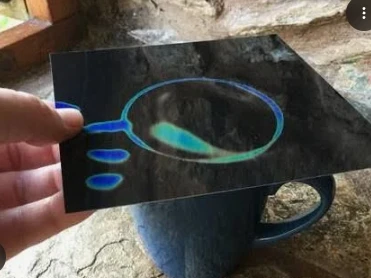
Thermochromic silicone ink is a temperature-sensitive silicone printing material that changes color when the surrounding temperature reaches a specific activation point.
The color-changing effect is usually achieved through thermochromic pigments or microencapsulated color-changing materials. When the temperature changes, the internal molecular structure of the pigment changes, creating a visible color transition.
Depending on the formulation, thermochromic pigments can be designed for different activation temperatures, such as:
● Low-temperature response
● Body-temperature response
● Heat-sensitive applications
This makes thermochromic silicone ink suitable for products where users need to see a reaction caused by heat or temperature changes.
What Is Photochromic Silicone Ink?
UV-Responsive Silicone Printing Technology
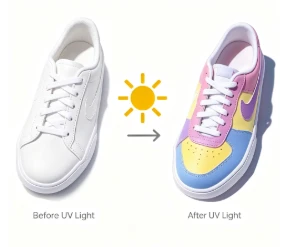
Photochromic silicone ink is a functional silicone printing material that changes color when exposed to ultraviolet (UV) light.
The color-changing mechanism is based on photochromic compounds that undergo a reversible molecular transformation when exposed to UV radiation.
When UV light disappears, many photochromic systems gradually return to their original color.
This makes photochromic silicone ink especially suitable for outdoor products where sunlight exposure creates a visible design change.
Photochromic VS Thermochromic Silicone Ink: Key Differences
Although both technologies create color-changing effects, their triggering conditions and application scenarios are different.
| Feature | Thermochromic Silicone Ink | Photochromic Silicone Ink |
|---|---|---|
| Activation method | Temperature change | UV light exposure |
| Main trigger | Heat | Sunlight / UV radiation |
| Common application | Indoor interactive products | Outdoor reactive products |
| Consumer interaction | Touch and body heat | Sunlight exposure |
| Best use scenario | Fashion, functional apparel | Outdoor fashion, promotional products |
| Production consideration | Heat protection during processing | UV protection during storage and coating |
When to Choose Thermochromic Silicone Ink?
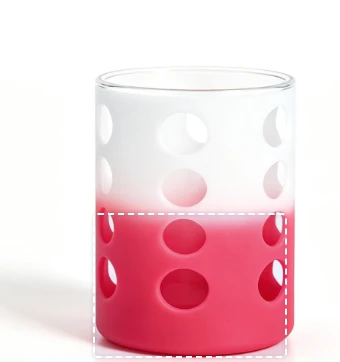
Thermochromic silicone ink is recommended when the product needs:
♦ Temperature Interaction
Examples:
A logo changes after being touched
A pattern reacts to body heat
A product shows temperature variation
♦ Indoor Consumer Experience
Thermochromic effects can work without sunlight, making them suitable for daily-use products.
Recommended applications:
Casual apparel
Children's clothing
Fashion accessories
When to Choose Photochromic Silicone Ink?
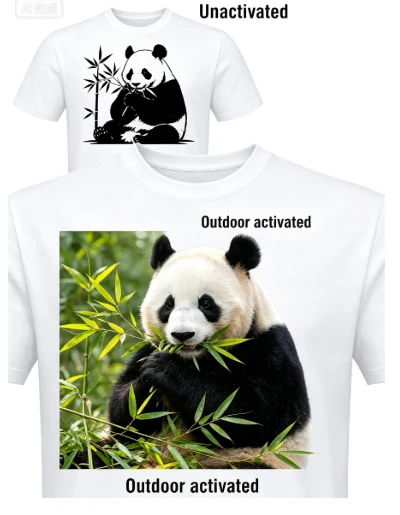
Photochromic silicone ink is better when the product requires:
♦ Outdoor Interaction
Examples:
Designs that appear under sunlight
UV-reactive outdoor apparel
Seasonal fashion products
♦ Strong Visual Surprise
The color change caused by sunlight creates a more dramatic effect.
Recommended applications:
Outdoor sportswear
Festival clothing
Lifestyle products
Future Trend: Smart Silicone Printing for Fashion
The fashion industry is increasingly moving toward interactive and personalized products.
Future textile printing trends include:
● Smart fashion
● Functional garments
● Interactive designs
● Consumer-focused experiences
Photochromic and thermochromic silicone inks provide manufacturers with new ways to combine technology, creativity, and fashion.
Instead of only printing a graphic, brands can create garments that react, change, and engage consumers.