


So, is silicone ink printing suitable for children's products?
Yes, silicone ink can be a suitable option for many children's textile products, especially garments that need a soft touch, good stretch, and strong wash resistance. However, the ink should be selected according to the product's safety requirements, and the finished product should be tested against the regulations of the target market.
YRsilicone develops silicone printing solutions for garments, sportswear, footwear, and functional textiles. Its silicone ink range focuses on environmental performance, adhesion, flexibility, and durability, making it suitable for many textile printing applications.

Why proper silicone ink fits children‑focused textile projects
♦ Skin‑friendly cured composition:
High‑quality textile silicone ink from YRsilicone is free of PVC, phthalates and restricted heavy‑metal ingredients. Once completely heat‑cured, the silicone layer becomes chemically stable. It will not easily release harmful substances during skin contact, washing or daily wear. Compared with some traditional plastisol inks, well‑formulated silicone delivers softer hand‑feel and lowers skin‑irritation risks for kids.
♦ Strong physical durability for kids' heavy use:
Children's items face frequent stretching, rubbing and repeated washing. Silicone ink prints stay flexible along with fabric. They resist cracking, peeling and fading after many wash cycles. Raised silicone patterns will not turn hard or sharp after curing, avoiding scratch risks for young users.
♦ Compliant with global children‑product standards:
YRsilicone silicone ink supports main international certifications including OEKO‑TEX Standard 100, REACH and RoHS. For baby‑grade products, manufacturers need to aim for OEKO‑TEX Class I requirements, the strictest level for infants under 3 years old. Test reports and MSDS documents are available for customers to finish export compliance checks for EU and US markets.
♦ Rich decorative options for children's goods:
Silicone ink supports glossy, matte, puff‑3D, embossed and anti‑slip dot effects. Factories can print cartoon logos, tactile patterns and anti‑slip textures on baby socks, kids sportswear, toddler shoe uppers and children's home textiles.

Is Silicone Ink Environmentally Friendly?
Environmental performance is an important consideration when selecting printing materials for children's products. YRsilicone describes its silicone textile printing inks as eco-friendly and offers formulations designed with low VOC and without several substances commonly restricted in textile supply chains. Its published product information also lists testing or compliance materials such as OEKO-TEX and REACH.
However, manufacturers should not assume that every silicone ink on the market automatically meets every children's product requirement.
The correct approach is to:
1. Select a suitable silicone ink.
2. Check the supplier's technical and safety documents.
3. Confirm the required testing for the target market.
4. Test the finished printed product.
This is especially important for products sold to children.
Common children‑product application scenarios
√ Baby clothing, toddler T‑shirts, rompers and kids' sportswear
√ Children socks, anti‑slip silicone dots for baby foot‑wears
√ Kids shoe uppers, fabric toy accessories
√ Children's home textiles including cushion covers, backpacks and cloth bibs

Practical factory checklist for silicone printing on children's goods
① Select compliance‑verified silicone ink from trusted suppliers like YRsilicone. Request test reports matching your target market (OEKO‑TEX Class I, REACH or CPSIA related documents).
② Strictly follow official curing temperature and time. Do not lower heat settings to save production time.
③ Control print layer thickness. Avoid overly bulky raised prints for infant‑grade items.
④ Complete full‑simulation lab tests: washing test, rubbing test and skin‑safety related verification before mass production.
⑤ Run print trial on your actual fabric material. Check for peeling, fragment dropping and sharp edges of silicone patterns.
⑥ Keep proper mixing ratio and pot‑life management. Discard expired mixed silicone ink.

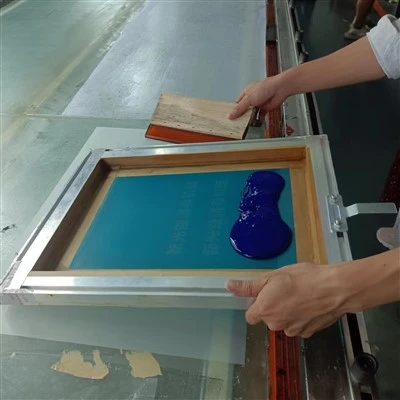
Why choose YRsilicone for children‑product printing
YRsilicone focuses on textile silicone ink R&D and manufacturing. Our kid‑application‑suitable silicone series are developed for direct‑skin‑contact textile printing. We provide complete compliance documentation, technical guidance for screen‑printing workshops, and support moderate viscosity or hardness adjustment according to children‑product requirements. Our technical team helps factories avoid common safety‑related mistakes during mass‑production.