



In the textile printing industry, brands are constantly looking for new ways to create premium fabrics with unique textures, improved visual effects, and better product value. Traditional flat screen printing can provide color decoration, but it often cannot deliver the three-dimensional feeling that modern fashion products require.
Core Principle & Advantages of 3D Embossing Silicone Printing on Fabric
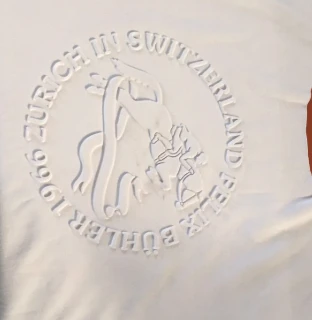
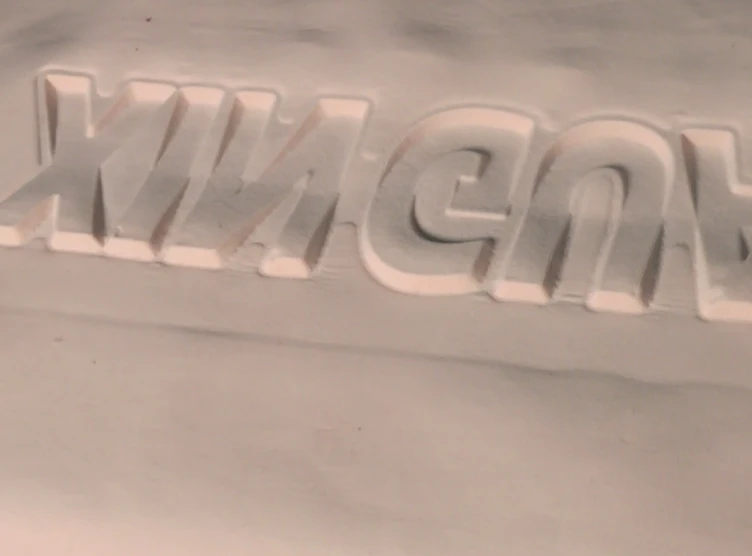
Fabric 3D silicone embossing printing is an additive molding process based on platinum-cured two-component liquid silicone. The core principle is to mix silicone base material with a special curing agent, print the material on the designated position of the fabric via screen printing or transfer printing, and form a raised 0.3–1.2 mm three-dimensional stereo texture through high-temperature heating and pressure curing. The silicone layer is tightly bonded to the fabric fiber, with no falling off, no cracking, and retains soft rubber touch and strong stereoscopic effect after long-term use.
Common Defects & Solutions in Production
Aiming at the common problems in 3D silicone embossing production, YRsilicone provides targeted solutions to help manufacturers quickly adjust processes and reduce scrap rate:
● Insufficient 3D Stereoscopic Sense: Causes include insufficient silicone printing thickness, low embossing pressure and short pressure holding time. Solution: Increase the number of printing layers appropriately, improve embossing temperature by 150–180 ℃, and extend pressure holding time by 20–30 seconds.
● Embossed Layer Peeling Off: Mainly due to incomplete fabric degreasing, unreasonable silicone ratio or insufficient curing. Solution: Strengthen fabric preprocessing, strictly follow 10:1 mixing ratio, and extend curing time properly.
● Surface Bubbles & Pinholes: Caused by insufficient defoaming after material mixing or excessive diluent addition. Solution: Stand and defoam fully after stirring, control diluent addition amount within 5% of base glue.
● Pattern Blur & Deformation: Caused by inaccurate mold positioning or excessive embossing temperature. Solution: Fix positioning fixtures, stabilize equipment temperature, and avoid high-temperature over-baking.

FAQ About 3D Embossing Silicone Printing
1. What is 3D embossing silicone printing?
3D embossing silicone printing is a textile printing process that uses silicone ink to create raised and textured patterns on fabric surfaces.
2. Can embossing silicone be printed on stretch fabrics?
Yes. However, the silicone formulation must have good elasticity and adhesion to prevent cracking during fabric movement.
3. Is 3D embossing silicone suitable for automatic printing machines?
Yes. With the correct silicone formulation and printing parameters, embossing silicone can be adapted for industrial production.