



Selecting the right material is essential. Different fabrics, production processes, and design requirements require different silicone solutions. This guide explains the key factors to consider when choosing heat transfer silicone for textile and apparel applications, helping brands and manufacturers make better decisions.
What Is Heat Transfer Silicone and How Does It Work?
► Understanding Silicone Transfer Materials
Silicone is a high-performance polymer known for its flexibility, durability, temperature resistance, and smooth surface texture. In textile decoration, silicone materials are used to create raised logos, labels, patterns, and decorative effects that provide both functional and aesthetic benefits.
Compared with traditional printing materials, silicone offers a softer hand feel and better elasticity. This makes it especially suitable for products that require frequent movement, stretching, or washing, such as sportswear and activewear.
A silicone transfer solution is usually produced by forming silicone patterns or designs on a transfer film and then applying them onto fabric through heat and pressure. The final result is a durable decoration that bonds firmly with the textile surface.
► How the Silicone Heat Transfer Process Works
The application process generally includes several important steps:
1. Design Preparation
The logo, pattern, or artwork is converted into a suitable production format. The design thickness, texture, and surface effect are adjusted according to the final application.
2. Silicone Application
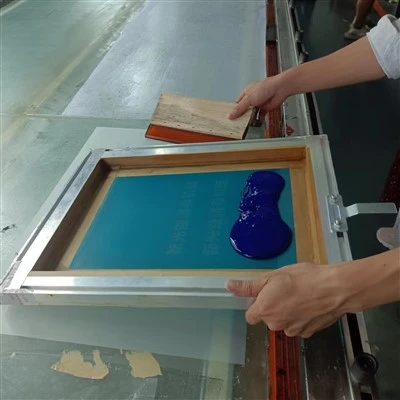
Silicone material is applied onto a transfer carrier using specialized printing equipment. Multiple layers may be used to achieve specific thickness or 3D effects.
3. Heat Press Transfer
During production, controlled heat and pressure activate the adhesive layer, allowing the silicone design to bond with the fabric.
4. Quality Testing
Finished products are tested for adhesion, washing durability, stretching resistance, and appearance consistency.
Understanding this process helps buyers evaluate whether a supplier has the technical experience needed to deliver reliable results.
Key Factors to Consider When Choosing Heat Transfer Silicone
Choosing the correct material is not only about appearance. Performance, fabric compatibility, and production requirements all influence the final result.
1. Check Fabric Compatibility
Different textiles have different surface structures and elasticity levels. A material that works well on cotton may not perform the same way on polyester or nylon.
When selecting heat transfer silicone, consider the following fabrics:
≮ Cotton
≮ Polyester
≮ Nylon
≮ Spandex blends
≮ Functional sports fabrics
For example, stretchy fabrics require silicone materials with excellent flexibility to prevent cracking or peeling during use.
Before large-scale production, it is recommended to test samples on the actual fabric. This helps confirm adhesion strength and ensures consistent quality.
2. Evaluate Durability and Wash Resistance
Apparel products experience repeated washing, friction, and daily wear. Therefore, durability is one of the most important selection criteria.
High-quality silicone transfer materials should provide:
■ Strong fabric adhesion
■ Resistance to repeated washing
■ Good elasticity after stretching
■ Stable appearance over time

Brands producing premium clothing should request performance testing information from suppliers, including washing and durability results.
A reliable supplier should be able to explain how their materials perform under real production conditions.
3. Consider Softness, Thickness, and Surface Finish
Modern consumers expect clothing to feel comfortable while maintaining a premium look. The texture of the decoration can significantly influence product perception.
Silicone materials can create different visual and tactile effects, including:
Smooth matte finishes
Glossy surfaces
Raised 3D logos
Soft-touch textures


For luxury apparel and sports brands, the balance between visual impact and comfort is especially important.
A well-designed silicone label should feel natural on the garment while maintaining a clear and attractive appearance.
Common Applications of Silicone Transfer Materials in Textile and Apparel
Sportswear and Activewear
Sportswear is one of the most common applications for silicone decoration. Athletic brands often use silicone logos and graphics because they provide:
♦ Excellent flexibility
♦ High durability
♦ Premium appearance
♦ Resistance to sweat and washing
♦ Applications include:
♦ Running shirts
♦ Outdoor apparel
The combination of performance and design flexibility makes silicone an ideal choice for active lifestyles.
Fashion Apparel and Brand Labels printing
Fashion brands increasingly use silicone labels and logos to create unique product identities.
Common applications include:
♦ Clothing brand logos
♦ Decorative patterns
♦ Premium garment labels
♦ Customized designs
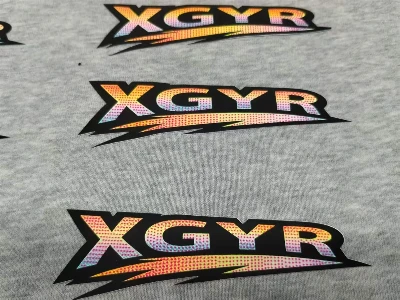
Unlike simple printed graphics, silicone decorations create a three-dimensional effect that helps products stand out in competitive markets.

Accessories and Specialty Products
Silicone transfer technology can also be applied to bags,hats,shoes,gloves and other lifestyle accessories. Its flexibility and durability allow designers to explore creative branding solutions beyond traditional clothing.
How to Select a Reliable Silicone Material Supplier
Check Technical Experience and Support
A professional supplier should provide more than just materials. Look for companies with:
① Industry experience
② Technical guidance
③ Custom development capability
④ Application knowledge
A supplier that understands textile production challenges can help prevent quality problems.
Request Samples and Performance Testing
Before starting mass production, always evaluate samples.
Recommended tests include:
√ Wash testing
√ Stretch testing
√ Adhesion testing
√ Fabric compatibility testing
Testing helps ensure the selected material meets the requirements of the final product.
Review Quality Control Standards
Consistent quality is essential for large-scale apparel production.
Reliable suppliers should have:
★ Stable manufacturing processes
★ Strict quality inspection
★ Consistent material performance
★ Professional production management
At YRsilicone, we focus on developing silicone solutions that meet the practical needs of textile and apparel manufacturers, helping customers achieve reliable performance and premium finishes.