



Developing a new textile product often requires more than selecting a standard printing material. Different fabrics, printing processes, surface effects, and performance expectations may require specific silicone ink formulations. For garment manufacturers, textile printing factories, and product developers, choosing the right customized silicone ink is an important step toward achieving consistent printing quality and meeting the requirements of the final product.
This guide explains the key stages of custom silicone ink development, from defining product requirements to approving materials for bulk production.
Why Do New Textile Products Require Custom Silicone Ink?
Standard silicone ink products are developed to meet common printing requirements. However, not every textile project has the same application conditions or performance expectations.

Different Fabric Types and Material Combinations
Textile products can involve polyester, cotton, nylon, spandex, blended fabrics, waterproof fabrics, and other specialized materials. Their surface properties and material structures may affect silicone ink adhesion and printing performance.
For example:
● Sportswear often requires silicone ink with good elasticity to withstand repeated stretching.
● Waterproof nylon may require a suitable primer to improve adhesion.
● Polyester fabrics may require anti-migration solutions to reduce the risk of dye migration during heat curing.
● Socks and gloves may require anti-slip silicone printing materials.
Special Surface Effects and Appearance Requirements
New textile product designs may require specific visual or tactile effects that cannot always be achieved with standard printing materials.
Common customized effects include:
● Glossy or matte finishes
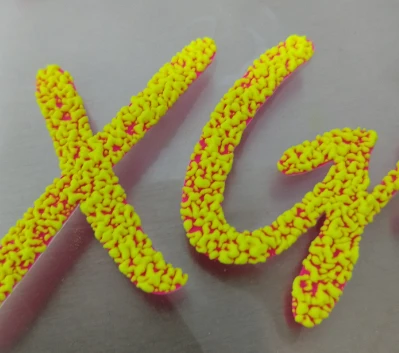
● Raised and high-density printing
● Embossed surface textures
● Puff or foam effects
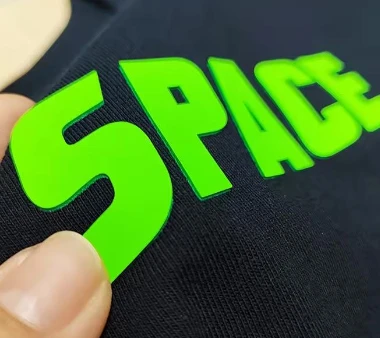
● Soft-touch and flexible silicone prints
The selected silicone ink formulation should be compatible with the required printing process and final appearance.
Functional Requirements Beyond Basic Printing
For many textile applications, appearance is only one part of the product specification.
Buyers may also require:
● Good adhesion to the target fabric
● Resistance to stretching and repeated deformation
● Suitable washing and abrasion resistance
● A soft hand feel
● Stable performance under the intended production conditions
Identifying these requirements early helps manufacturers evaluate whether an existing formulation is suitable or whether further customization is needed.
Production Process and Equipment Limitations
The same silicone ink may perform differently under different printing conditions.
Screen mesh, printing layers, drying equipment, curing temperature, and production speed can all influence the final result.
Buyers should therefore consider their existing production equipment and manufacturing process when discussing custom silicone ink with a supplier.
What Specifications Should Buyers Define Before Customizing Silicone Ink?
Before contacting a silicone ink manufacturer, buyers should prepare a clear description of the intended textile product and its printing requirements. The more accurately these requirements are communicated, the easier it is for the manufacturer to evaluate suitable materials and recommend an appropriate development direction.
Fabric Type and Application
Buyers should provide information such as:
≮ Fabric composition
≮ Fabric thickness and surface characteristics
≮ Whether the fabric is elastic, waterproof, or specially treated
≮ The final product application
Providing an actual fabric sample is particularly helpful because two fabrics with similar compositions may still have different surface treatments or adhesion characteristics.
Desired Color, Texture, and Surface Finish
Buyers should explain the expected appearance of the final silicone print.
≮ For color customization, a physical color sample or Pantone reference can help the manufacturer understand the target shade.
≮ For surface effects, buyers can provide reference images or physical samples showing the desired finish.
≮ Common requirements include glossy, matte, embossed, raised, puff, and high-density effects.
It is also important to distinguish between visual appearance and actual material performance. A reference image can communicate the desired appearance, but physical testing is still necessary to confirm whether the effect can be reproduced.
Required Elasticity and Adhesion Performance
For stretchable textile products, elasticity is often a key consideration.
A silicone print should maintain its integrity when the fabric is stretched during normal use. Buyers should explain how much stretching the finished product is expected to experience and whether the printed area needs to remain soft and flexible.
Adhesion is another important factor. If the fabric has a waterproof coating or special surface treatment, the manufacturer may need to evaluate a suitable primer or bonding system.
Printing Method and Production Conditions
Buyers should also identify the intended printing method.
For example:
≮ Direct screen printing
≮ Silicone heat transfer
≮ Multi-layer silicone printing
≮ High-density screen printing
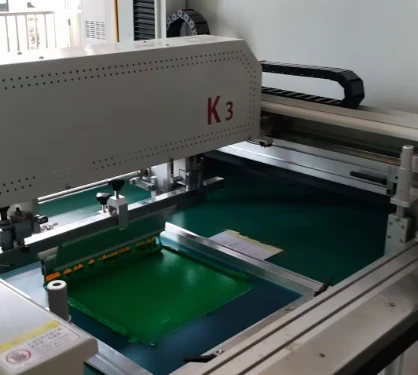
Other useful information includes screen mesh specifications, printing equipment, drying conditions, curing equipment, and the expected production process. These details help manufacturers assess whether the material can work within the buyer's existing production setup.
Special Performance Requirements
Some textile projects have additional requirements, such as anti-slip performance, resistance to dye migration, or a particular surface texture.
Instead of simply requesting a product with better performance, buyers should describe the actual problem or intended function.
This allows the manufacturer to evaluate the appropriate material structure and testing approach.
How Should Buyers Communicate Their Custom Requirements to Silicone Ink Manufacturers?
Clear communication is one of the most important factors in successful custom silicone ink development. Incomplete specifications may lead to repeated sample adjustments, unnecessary testing, and differences between the buyer's expectations and the manufacturer's understanding.
Provide Fabric Samples or Detailed Fabric Specifications
Whenever possible, send the actual fabric intended for production.
If physical samples are not immediately available, provide the fabric composition, surface treatment, thickness, and other relevant details.
This information helps the manufacturer evaluate material compatibility before preparing a sample.
Share Reference Images of the Desired Printing Effect
Reference images help manufacturers understand the expected appearance.
Buyers can provide:
◆ Images of the finished textile product
◆ Close-up photographs of the printed area
◆ Physical samples of similar printing effects
◆ Color references or design files
When possible, indicate whether the most important requirement is color accuracy, printing thickness, surface texture, softness, or flexibility.
Explain the Intended Printing Process
A custom silicone ink should be developed with the actual production process in mind.
Buyers should explain whether the material will be used for direct screen printing, heat transfer, or another printing application. They should also provide relevant equipment and curing information so the manufacturer can assess material compatibility.
Define Performance Expectations and Testing Standards
Buyers should identify which performance characteristics are essential and which are optional.
For example, a sportswear manufacturer may prioritize elasticity and adhesion, while a sock manufacturer may focus more on anti-slip performance and washing durability.
If the buyer has an internal testing procedure or customer-specific quality standard, sharing it with the supplier can help establish clear evaluation criteria.
Discuss Customization Feasibility with the Manufacturer
Not every requested effect or performance combination can be achieved using the same formulation. Some requirements may involve adjustments to the silicone base material, additives, color paste, or printing structure.
An experienced manufacturer can evaluate the feasibility of the project and recommend an appropriate development approach.
How Are Custom Silicone Ink Samples Developed and Tested?
Sample development is a critical stage in customized silicone ink projects. It allows buyers and manufacturers to evaluate whether the proposed material meets the actual application requirements before moving to mass production. A successful sample evaluation should include both appearance and functional testing.
Initial Formula Evaluation and Sample Preparation
After receiving the buyer's requirements, the manufacturer evaluates the application and selects a suitable starting formulation.
Depending on the project, the sample may involve adjustments to material characteristics, color, consistency, or surface effects.
The manufacturer then prepares samples for preliminary evaluation.
Color and Surface Effect Verification
The first step is checking whether the sample matches the intended design.
Buyers should evaluate:
◆ Color accuracy
◆ Printing thickness
◆ Gloss level or matte appearance
◆ Surface smoothness
◆ Raised or embossed effects
◆ Overall visual consistency
For customized colors, it is important to assess the printed sample rather than relying only on the appearance of the uncured material.
Adhesion and Stretching Tests
For textile applications, adhesion and flexibility should be evaluated using the actual target fabric.
A basic evaluation may include:
● Checking whether the printed silicone layer adheres properly to the fabric.
● Observing whether the print separates or peels during handling.
● Stretching the fabric to check for cracking or visible damage.
● Observing whether the printed area returns to an acceptable appearance after stretching.
The test conditions should reflect the intended application and the buyer's product requirements.
Washing and Abrasion Resistance Tests
If the finished product will undergo frequent washing or friction, these properties should be evaluated before approval.
Buyers should consider:
≮ Whether the printed layer remains attached after washing
≮ Whether the surface appearance changes
≮ Whether repeated friction causes visible wear
≮ Whether the printing maintains its intended function
Testing procedures and acceptance criteria should be agreed upon between the buyer and manufacturer rather than assuming that every textile application requires the same testing standard.
FAQ About Custom Silicone Ink
Q1. Can silicone ink be customized for different fabric types?
Yes. Silicone ink formulations can be evaluated and adjusted for different textile applications, including polyester, cotton, nylon, elastic fabrics, and blended materials. The suitable formulation depends on the fabric structure, surface treatment, printing method, and required performance.
Q2. Can buyers request custom colors and special surface effects?
Yes. Buyers can discuss specific color requirements and printing effects with the manufacturer. Depending on the application, customization may involve color matching, glossy or matte finishes, embossed effects, raised printing, and other surface characteristics. Samples should be tested to confirm the final appearance.
Q3. Can buyers test silicone ink samples before placing a bulk order?
Yes. Buyers can request samples to evaluate material compatibility, printing effects, adhesion, elasticity, and other relevant performance characteristics before making a purchasing decision.
Q4. Does the manufacturer provide technical support during production?
Yes. YRsilicone provides technical guidance to help customers understand material preparation, mixing, printing, and curing requirements. Buyers can also communicate production issues with the technical team to receive relevant troubleshooting assistance.
Q5. Is there a minimum order quantity for customized silicone ink?
At YRsilicone, there is no minimum order quantity requirement. The standard packaging specification is 20 KG per bucket. Buyers can discuss their project requirements and sample needs with the company before placing an order.