



Introduction
Sustainability has become one of the biggest priorities in the global printing industry. As brands, manufacturers, and consumers pay more attention to environmental responsibility, traditional printing materials are gradually shifting toward greener alternatives.
Among these changes, eco-friendly screen printing ink has become an important solution for textile manufacturers, apparel brands, and printing companies.
In 2026, buyers are evaluating printing ink suppliers based on more than price and printing performance. They increasingly consider:
- Environmental impact
- Chemical safety
- Regulatory compliance
- Sustainable production capability
- Brand sustainability goals
According to industry research, demand for environmentally friendly inks continues to grow due to stricter environmental regulations and increasing adoption of sustainable manufacturing practices.
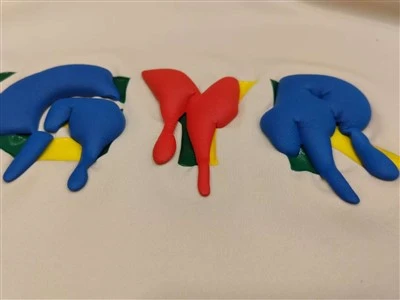
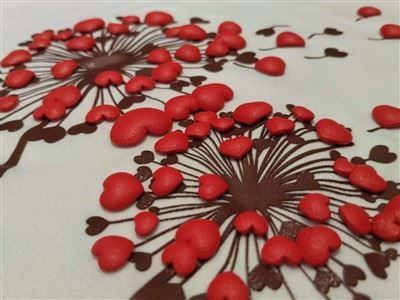
What Is Eco-Friendly Screen Printing Ink?
Eco-friendly screen printing ink refers to printing inks designed to reduce environmental impact while maintaining high printing performance.
Compared with traditional solvent-based inks, sustainable ink solutions focus on:
- Lower VOC emissions
- Reduced harmful chemicals
- Safer working environments
- Better compliance with environmental standards
- Improved sustainability performance
- Common eco-friendly screen printing ink types include:
- Water-based screen printing ink
- PVC-free screen printing ink
- Low-VOC screen printing ink
- Bio-based printing ink
1. Water-Based Screen Printing Ink
Water-based ink uses water as the main carrier instead of solvent-based chemicals.
During the drying process, water evaporates and pigments remain bonded with the textile fibers.
Advantages:
- Soft hand feel
- Excellent breathability
- Low odor
- Reduced chemical emissions
- Suitable for sustainable apparel printing
- Water-based ink is widely used in:
- Fashion apparel
- Organic cotton clothing
- Premium T-shirts
- Sustainable fashion products

2. PVC-Free Screen Printing Ink
Traditional plastisol ink often contains PVC components. With increasing environmental awareness, PVC-free alternatives are becoming more popular.
PVC-free inks help manufacturers meet sustainability requirements while maintaining:
- Good adhesion
- Print durability
- Color performance
- They are especially suitable for:
- Children's clothing
- Premium apparel
- Sustainable brands
3. Low-VOC Screen Printing Ink
VOC (Volatile Organic Compounds) emissions are an important environmental concern in manufacturing.
Low-VOC inks help reduce:
- Air pollution
- Workplace chemical exposure
- Environmental impact
Many manufacturers are adopting low-VOC solutions to comply with environmental regulations.
Why Is Eco-Friendly Screen Printing Ink Becoming More Popular in 2026?
1. Global Brands Require More Sustainable Supply Chains
Large apparel brands and retailers are increasing sustainability requirements for suppliers.
Manufacturers are now expected to provide:
- Environmentally responsible materials
- Chemical compliance documents
- Sustainable production processes
- Traceability information
For printing ink suppliers, sustainability has become a competitive advantage.
2. Environmental Regulations Are Becoming Stricter
Governments and organizations worldwide continue to introduce stricter requirements regarding:
- Chemical usage
- Waste management
- Emissions
- Product safety
For example, REACH regulations control chemical substances used in products sold in the European market.
3. Consumers Prefer Sustainable Products
Consumers increasingly care about:
- Where products are made
- What materials are used
- Environmental impact
For apparel brands, using eco-friendly printing ink can improve:
- Brand reputation
- Customer trust
- Market differentiation
Top Eco-Friendly Screen Printing Ink Trends in 2026
Trend 1: Growth of Water-Based Printing Ink
Water-based ink is expected to remain one of the fastest-growing sustainable printing solutions.
Main advantages:
✔ Soft fabric feel
✔ Lower environmental impact
✔ Suitable for premium apparel
✔ Better sustainability image
Trend 2: Improved Performance of Sustainable Inks
Earlier eco-friendly inks sometimes had limitations in:
- Durability
- Color brightness
- Production efficiency
However, modern formulations have improved significantly.
New-generation sustainable inks offer:
- Better adhesion
- Higher wash resistance
- Stronger colors
- Improved flexibility
Trend 3: Demand for PVC-Free and Phthalate-Free Solutions
More brands are looking for safer alternatives to traditional plastisol inks.
Common requirements include:
- PVC-free
- Phthalate-free
- Heavy metal-free
- Especially in:
- Children's apparel
- Sportswear
- International retail products
Eco-Friendly Screen Printing Ink vs Traditional Ink
| Feature | Eco-Friendly Ink | Traditional Ink |
|---|---|---|
| VOC emissions | Lower | Higher |
| Sustainability | Higher | Lower |
| Chemical safety | Better | Depends on formulation |
| Brand value | Supports green marketing | Limited |
| Applications | Sustainable products | General printing |
How To Choose an Eco-Friendly Screen Printing Ink Manufacturer?
For companies sourcing printing ink internationally, choosing the right supplier is critical.
1. Check Certifications and Compliance
Reliable manufacturers should provide:
- REACH compliance
- RoHS reports
- Safety Data Sheet (SDS)
- Product testing reports
2. Evaluate Product Performance
Eco-friendly ink should not only be sustainable but also provide:
- Strong adhesion
- Good wash resistance
- Stable colors
- Printing consistency
3. Choose OEM/ODM Capability
Professional manufacturers should support:
- Custom colors
- Customized formulations
- Different substrate applications
- Technical support
FAQ
What is the most environmentally friendly screen printing ink?
Water-based screen printing ink is one of the most popular eco-friendly options because it reduces solvent usage and provides a softer printing effect.
Is water-based ink better than plastisol ink?
It depends on the application.
Water-based ink is suitable for sustainable premium apparel, while plastisol ink is commonly used for high-volume production.
Are eco-friendly screen printing inks more expensive?
They may have a higher initial cost because of advanced formulations and compliance requirements, but they provide additional value through sustainability benefits.
Conclusion
The demand for eco-friendly screen printing ink will continue growing in 2026 as manufacturers, brands, and consumers place more importance on sustainability.
Key trends include:
- Water-based ink adoption
- PVC-free printing solutions
- Low-VOC formulations
- Sustainable textile production
For printing companies and apparel manufacturers, partnering with an experienced eco-friendly screen printing ink manufacturer can help achieve both environmental goals and high-quality printing performance.
External Reference:
Global sustainability goals and environmental policies:https://www.un.org/sustainabledevelopment/
Sustainable textile industry information:https://textileexchange.org/
Water-based ink technology and printing sustainability:https://www.printing.org/
PVC and environmental impact information:https://www.greenpeace.org/
EPA information about VOC emissions:https://www.epa.gov/indoor-air-quality-iaq/volatile-organic-compounds-impact-indoor-air-quality
Sustainable apparel supply chain standards:https://global-standard.org/
European Chemicals Agency (REACH):https://echa.europa.eu/regulations/reach
Sustainability consumer research:https://www.mckinsey.com/capabilities/sustainability
OEKO-TEX textile safety standards:https://www.oeko-tex.com/
REACH:https://echa.europa.eu/
RoHS:https://environment.ec.europa.eu/topics/waste-and-recycling/rohs-directive_en