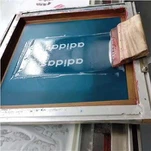
There are many differences between silicone printing and traditional printing methods, and each method has its advantages and applicability. Here's a comparison of the two printing methods:
1. Printing quality:
Traditional printing: Traditional printing methods (such as screen printing, thermal transfer printing, etc.) usually have higher resolution and printing quality, and are suitable for fine patterns and complex designs.
Silicone printing: Silicone printing provides excellent color stability and printing quality, especially suitable for patterns with fine textures and three-dimensional effects.
2. Applicability:
Traditional printing: Traditional printing is suitable for a variety of materials, including paper, plastic, glass and textiles, but requires higher flexibility and elasticity.
Silicone printing: Silicone printing is mainly used for flexible and elastic materials such as textiles, rubber, and leather, and has strong adaptability.
3. Durability:
Traditional Printing: Some traditional printing methods may lose color or quality after multiple washes and wear.
Silicone printing: Silicone inks generally have excellent durability and can withstand many washes and wears, and the pattern is not easy to fade.

4. Environmental protection:
Traditional printing: Certain inks and chemicals used in traditional printing methods can have adverse effects on the environment.
Silicone printing: Silicone inks are generally more environmentally friendly and contain no harmful substances, making them suitable for sustainable printing.
5. Production efficiency:
Traditional printing: Traditional printing methods are generally suitable for high-volume production, but may require more time and craftsmanship.
Silicone printing: Silicone printing can quickly adapt to small batch customized production, reducing production time.
6. Creative freedom:
Traditional printing: Traditional printing methods are often limited by the limitations of the printing press and have relatively low creative freedom.
Silicone printing: Silicone printing offers more creative freedom to achieve complex textures, relief effects and three-dimensional patterns.