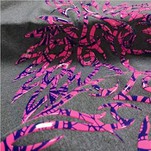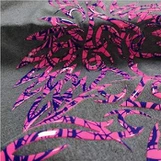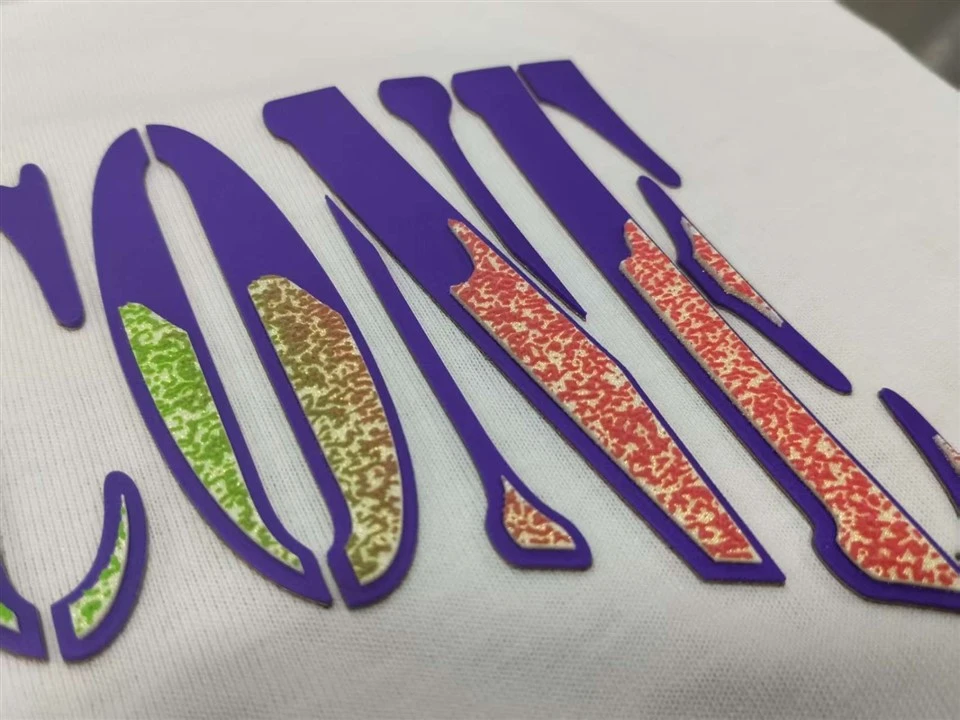
Textile pigment ink is mainly used to provide color for printed textile products such as garments, sportswear, footwear, gloves, labels, and fabric accessories. Unlike ready-to-use colored ink, a concentrated pigment is normally added to a compatible silicone before printing. This allows printers to adjust colors according to the application and production requirements.
The pigment should disperse evenly in the silicone and remain compatible with the curing system. Proper mixing is important for consistent color and stable printing performance.


Silicone Pigment vs Water-Based Pigment
Silicone Pigment
Silicone pigments are formulated for silicone-based printing materials. They can be added to compatible silicone ink to produce colored silicone prints. Silicone pigment and silicone ink are designed to work as one printing system. The pigment should be selected according to the silicone base and the recommended formulation.
Water-Based Pigment
Water-based pigments are intended for water-based printing pastes or water-based textile inks. They are suitable for conventional water-based textile printing but should not be directly mixed with silicone ink unless compatibility has been specifically confirmed.
Silicone-based and water-based systems have different chemical properties and curing mechanisms. Using the wrong pigment can affect dispersion, color development, curing, adhesion, or final print quality.
Quick Comparison
| Feature | Silicone Pigment | Water-Based Pigment |
|---|---|---|
| Designed for | Silicone ink | Water-based ink/paste |
| Main use | Silicone textile printing | Water-based textile printing |
| Silicone compatibility | Yes, when properly formulated | Not normally compatible |
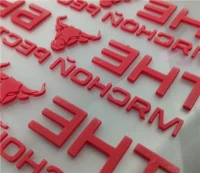
| 3D silicone effects | Suitable | Not suitable |
| Silicone heat transfer | Suitable | Not suitable |
A simple rule: choose the pigment according to the ink base first, then select the color.
Key Features of Textile Pigments
Consistent Color Development
Concentrated pigments allow printers to develop different shades while maintaining more consistent color results between production batches.
Good Dispersion
The pigment should mix evenly into the selected silicone base without creating excessive particles or uneven color.
Compatibility With the Ink System
Compatibility is essential for maintaining the expected printing, curing, adhesion, and surface properties of the final print.
Standard and Custom Colors
Textile pigments can be supplied in standard colors or developed to match specific color requirements. Custom color development is particularly useful for brand logos and repeat production.
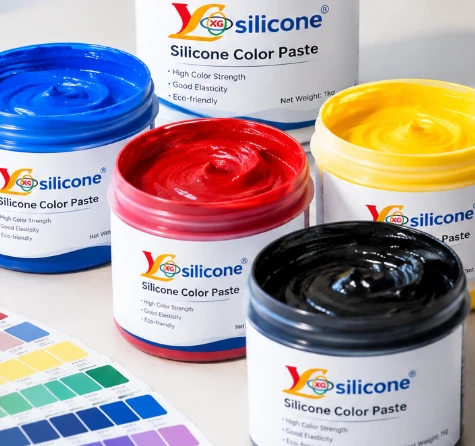
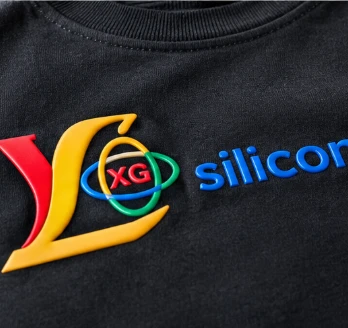

How to Use Pigment With Silicone Ink
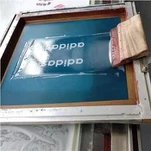
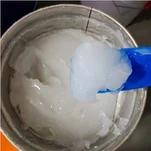
For silicone screen printing, the pigment is mixed into a compatible silicone ink base before printing. A typical workflow is:
Silicone Ink → Add Pigment → Mix Thoroughly → Add Required Components → Screen Print → Cure
The recommended pigment amount depends on the ink base, desired color strength, pigment concentration, and printing effect. Production trials should be carried out before mass production to confirm color and curing performance.
Frequently Asked Questions
● What is the difference between silicone pigment and water-based pigment?
Silicone pigment is designed for silicone-based printing materials, while water-based pigment is designed for water-based inks or pastes. They are different systems and should not normally be used interchangeably.
● Choosing the Right Textile Pigment
Before selecting a textile pigment, confirm three points:
≮ What ink system are you using?
≮ Is the pigment compatible with that ink system?
≮ What color strength and printing effect are required?
For silicone screen printing, always choose a pigment developed for silicone-based materials rather than treating textile pigments as interchangeable colorants.
Hot Tags: textile pigment ink, suppliers, factory, custom, wholesale, buy, bulk, low price, in stock, free sample, made in China, Harry Potter Screen Print Transfer, High quality silicone printing on t shirts, screen ink printing, Screen Printing Machine, screen printing on plastic, rtv silicone adhesive