Ensuring color-fast prints on fabric is a crucial aspect for anyone involved in fabric printing, whether it's for fashion, home decor, or promotional items. As a Fabric To Print On supplier, I understand the challenges and importance of achieving long-lasting, vibrant prints. In this blog post, I'll share some key strategies and best practices to help you ensure your fabric prints remain color-fast.
Understanding the Basics of Color Fastness
Color fastness refers to the ability of a dye or pigment to retain its color when exposed to various factors such as washing, light, rubbing, and perspiration. A color-fast print will maintain its original appearance over time, while a non-color-fast print may fade, bleed, or transfer onto other surfaces.
There are several factors that can affect color fastness, including the type of fabric, the printing method, the quality of the ink or dye, and the finishing treatments applied to the fabric. By understanding these factors and taking appropriate measures, you can significantly improve the color fastness of your prints.
① Choosing the Right Fabric
The type of fabric you choose plays a crucial role in determining the color fastness of your prints. Different fabrics have different properties that can affect how well they absorb and retain dyes or pigments. Here are some tips for choosing the right fabric:
- ♦ Natural Fibers: Natural fibers such as cotton, linen, silk, and wool are generally more absorbent and can hold dyes better than synthetic fibers. However, they may also be more prone to fading and bleeding. To improve color fastness, look for fabrics that have been pre-treated or have a high thread count.
- ♦ Synthetic Fibers: Synthetic fibers such as polyester, nylon, and acrylic are less absorbent than natural fibers and may require special printing techniques or inks. However, they are often more resistant to fading and bleeding. Look for fabrics that are specifically designed for printing, or use a fabric primer to improve ink adhesion.
- ♦ Blended Fabrics: Blended fabrics that combine natural and synthetic fibers can offer the best of both worlds. They may have the absorbency of natural fibers and the durability of synthetic fibers. However, it's important to choose a blend that is compatible with the printing method and ink you plan to use.
② Selecting the Right Printing Method
The printing method you choose can also affect the color fastness of your prints. There are several different printing methods available, each with its own advantages and disadvantages. Here are some common printing methods and their impact on color fastness:
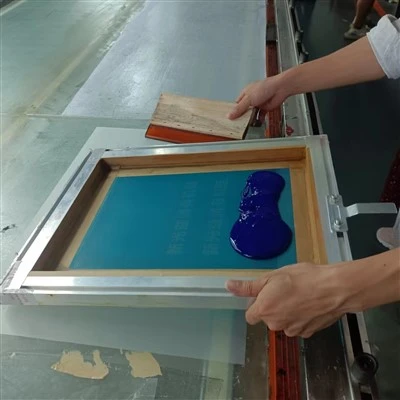
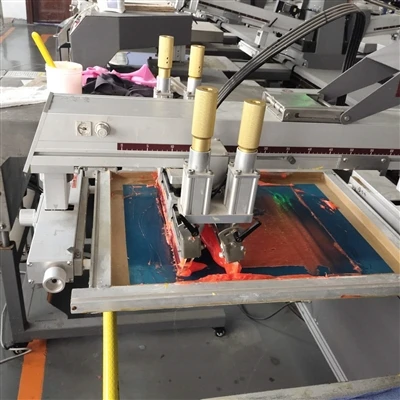
- Screen Printing: Screen printing is a popular method for printing on fabric, especially for large quantities. It involves using a stencil to transfer ink onto the fabric. Screen printing can produce vibrant, long-lasting prints with good color fastness. However, the quality of the print can depend on the skill of the printer and the quality of the screen.
- Digital Printing: Digital printing is a newer method that uses a computer to transfer ink onto the fabric. It offers greater flexibility and precision than screen printing, but may not be as durable. Digital prints may fade or bleed over time, especially if they are exposed to sunlight or washing.
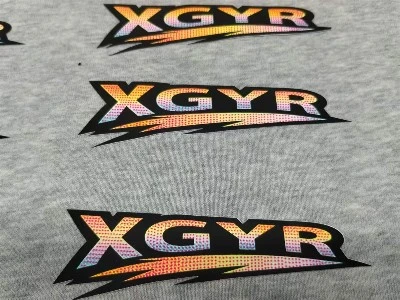
- Heat Transfer Printing: Heat transfer printing involves using a special paper to transfer a design onto the fabric using heat and pressure. It is a popular method for printing on small quantities or for creating custom designs. Heat transfer prints can be very durable, but may not be as vibrant as screen prints.
③ Using High-Quality Ink
The quality of the ink or dye you use is another important factor in ensuring color fastness. Low-quality inks may fade, bleed, or transfer onto other surfaces over time. Here are some tips for choosing high-quality ink :
- Choose a Reputable Brand: Look for ink brands that are known for their quality and color fastness. Read reviews and ask for recommendations from other fabric printers.
- Consider the Type of Fabric: Different fabrics may require different types of ink. Make sure you choose an ink that is compatible with the fabric you are printing on.
- Test the Ink : Before printing a large qua ntity of fabric, test the ink on a small sample of the fabric to make sure it produces the desired results and has good color fastness.
④ Following Proper Care Instructions
Finally, following proper care instructions is essential for maintaining the color fastness of your prints. Here are some tips for caring for printed fabric:
- ● Wash in Cold Water: Washing printed fabric in cold water can help prevent the ink or dye from bleeding or fading. Avoid using hot water or bleach, as these can damage the fabric and the print.
- ● Avoid Over-Drying: Over-drying printed fabric can cause the ink or dye to fade or crack. Hang the fabric to dry or use a low-heat setting on the dryer.
- ● Store Properly: Store printed fabric in a cool, dry place away from direct sunlight. Avoid folding or creasing the fabric, as this can cause the ink or dye to crack or fade.
Conclusion
Ensuring color-fast prints on fabric requires a combination of careful fabric selection, the right printing method, high-quality ink or dye, appropriate finishing treatments, and proper care instructions. By following these strategies and best practices, you can achieve long-lasting, vibrant prints that will stand the test of time.
If you're looking for high-quality fabric to print on, we're here to help. As a Fabric To Print On supplier, we offer a wide range of fabrics that are suitable for various printing methods and applications. We also provide a variety of printing inks and dyes, including Reflective Screen Printing Ink, Screen Printed Heat Transfers, Fabric Creations Fabric Ink, Silicone Screen Ink, and High Density Printing On Fabric.
If you have any questions or would like to discuss your fabric printing needs, please don't hesitate to contact us. We're happy to help you find the right solutions for your project.